
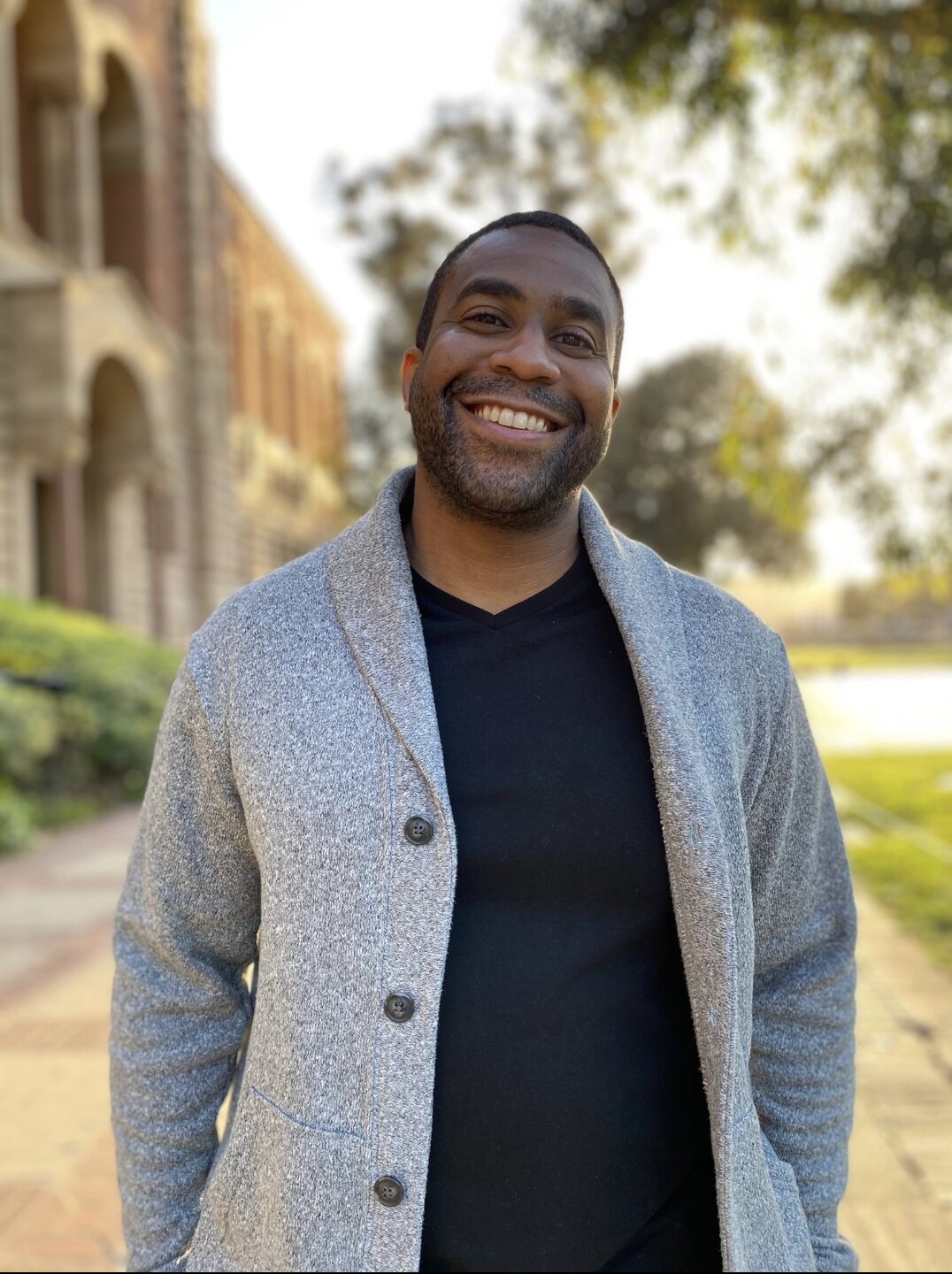
A Conversation With Licensed Professional Clinical Counselor Michael Walker
By David Jordan Jr
The day-to-day intricacies of life each have an impact on an individual’s well-being, mentally, physically, and emotionally. Living life and prioritizing personal well-being are essential for maintaining a fine balance that allows one to be present in the current moment and ready for the future. There are many people in this world who are heavily affected by the good and bad experiences of life, the traumas known or unknown, and these events dictate the circumstances over which they have no control. Clarity, resolve, and peace are necessary for a person to live a life of serenity and to be a person who provides clarity, resolve, and peace to others they encounter in the world. Licensed Professional Clinical Counselor Michael Walker has a deep understanding of the importance of mental health and why it’s crucial to guide those seeking it. Michael, who holds a Master of Science in Counseling from Hope International University and a Bachelor of Arts from the University of Bethesda, has prioritized the well-being of others in his career as a counselor.
Family, group, and individual therapy provide avenues for people to gain clarity in life, positively shaping their mental health and providing a foundation for a structured life. He adopts a collaborative and empathetic approach in his work with teenagers, adults, and families. Understanding the importance of partnership in therapy, Michael collaborates with clients to set achievable treatment goals and to challenge negative thought patterns. He is adept at addressing a range of issues, including depression, anxiety, anger management, low self-esteem, autism spectrum disorder, suicidal thoughts, self-harming behavior, and family conflicts.
Employing techniques from various therapeutic modalities, Michael integrates Cognitive Behavioral Therapy (CBT), Trauma-Focused Cognitive Behavioral Therapy (TF-CBT), Acceptance and Commitment Therapy (ACT), Motivational Interviewing (MI), and Dialectical Behavior Therapy (DBT) into his practice. He also focuses on providing psychoeducation to equip clients with effective coping strategies and communication skills to help them reach their objectives.
Outside of his professional life, Michael is passionate about an active lifestyle. A devoted sports enthusiast, he enjoys playing basketball, attending hot yoga classes, and lifting weights. In his leisure time, he loves watching movies and comedy shows, visiting museums, and discovering new shows to enjoy at home. Recently, Michael spoke with ESHE, discussing his career, common misconceptions about therapy, and the profound impact therapy can have on individuals.
David Jordan Jr: What inspired you to pursue a career in therapy?
Michael Walker: My journey into therapy wasn’t a straight line, but looking back, every step completely aligns with where I am today. Originally, my goal was to become a collegiate head basketball coach. To reach that level in the coaching world, obtaining a master’s degree was a necessity. To be completely candid, school hadn’t always been my primary focus, but there was one subject that consistently captivated me throughout high school and college: psychology. I decided that if I was going to commit to graduate school, I wanted to study something that genuinely intrigued me. I enrolled in the counseling program at Hope International University to pursue my license as a Professional Clinical Counselor, still fully intending for it to be a stepping stone back to the basketball court. Everything changed during my internship as a school counselor at Cantwell-Sacred Heart of Mary High School. That was the moment I recognized the deep parallels between coaching and counseling. Instead of teaching young people how to shoot a jump shot or read a defense, I was teaching them how to effectively communicate their needs, regulate their emotions, and develop healthy coping strategies. During that time, it also became incredibly clear that there was a massive need for male therapists—and specifically male therapists of color. I had clients, colleagues, and mentors consistently telling me how vital my presence was in this field. Even as an intern navigating the learning curve, I saw the profound impact of simply being there, being supportive, and offering a space where clients felt truly seen and understood. I completely fell in love with the work. That passion only deepened as I progressed through my program and moved into clinical roles, such as working in residential facilities providing individual, group, and family therapy. What started as a requirement for a coaching career ultimately led me to exactly where I am supposed to be.
David Jordan Jr: As a therapist, what do you feel is a common misconception about your profession that may hinder people from obtaining the help they may need?
Michael Walker: There are two primary misconceptions I encounter that frequently prevent people from getting the support they need. The first is a practical one: many people assume that entering therapy means they will be heavily pressured to take medication. There is still a lot of confusion regarding the distinct roles within mental health. As a licensed therapist, prescribing medication is outside my scope of competence—that is the role of a psychiatrist. Therapy is about skill-building, processing, and personal growth. While medication can be a helpful tool for some, there is a vast clinical landscape of therapeutic interventions that take place long before a medical referral is ever even discussed. The second, more complex barrier is the deep-rooted stigma surrounding mental health. While we have seen a positive shift toward acceptance over the last five years— particularly accelerated by the pandemic—the stigma of being labeled ‘unstable’ or ‘crazy’ for seeking help still heavily persists. This is especially true within minority communities, where seeking therapy is often met with feelings of shame or the belief that you must tolerate struggles in silence. The reality is that many people seek therapy simply because they lack a strong, natural support system. During my time working in a residential facility for teens, I worked with youth who came from incredibly unstable environments or lacked a home entirely. When your origin story involves not being able to trust the adults in your life, where do you turn? We all face stress, and we all experience struggles. Seeking therapy doesn’t mean something is fundamentally wrong with you; it means you are seeking a neutral, objective perspective from someone dedicated to helping you thrive. Reframing the therapist as an extension of a person’s support system is vital to breaking down these barriers and making mental health care accessible to everyone.
David Jordan Jr: In your work as a therapist, what do you feel is the most important attribute that enables you to deeply connect with your clients and help them in identifying, addressing, and overcoming traumas that may have affected their lives?
Michael Walker: Without question, the most vital attribute for deep connection is authenticity. In this field, clients don’t truly connect with a clinical textbook or a rigid persona; they connect with a real human being. I was actually exploring this concept with a client recently who battles severe social anxiety and a deep fear of judgment. To survive in the outside world, they wear a protective mask. During our session, I asked them to imagine how it would feel if I wore a mask during our time together. They reflected on that and shared that the reason it is so easy to open up to me is because they feel my genuine presence and authenticity. Experiencing that real, unmasked connection in the therapy room allowed us to build a blueprint for how they can safely show up as their authentic self in their daily life. At the end of the day, we are all human beings. For me, this work is more than just a career—it is a true calling. There are moments in session where the right insight or the exact question flows so naturally that it feels entirely bigger than me. It is a deeply humbling feeling, and I feel incredibly grateful in those moments because it shows me that I am exactly where I am supposed to be. By allowing myself to step away from clinical rigidity and just be authentically present, I create a safe, holding space for my clients. That genuine connection is what ultimately gives them the courage to lower their guards, face their traumas, and begin the process of healing.
David Jordan Jr: What do you feel are the most important things that a person can do to positively and consistently keep their mental health in a good space?
Michael Walker: When evaluating how to consistently maintain good mental health, I look at it holistically. In my practice, I utilize a comprehensive self-care assessment with clients that explores multiple dimensions of their lives: physical, emotional, social, professional, spiritual, and mental. We have to look at the whole picture. However, if I had to pinpoint the single most critical factor in sustaining a healthy mindset, it comes down to intentional consumption. I am heavily inspired by a concept in the book The Art of Communicating, which discusses the idea of two plants within us: one that nourishes us, and one that poisons us. Which plant grows entirely depends on what we choose to pour into it, and that is dictated by what we consume. When I speak about ‘content,’ I am certainly referring to external factors—the media we scroll through, the environments we choose, or the conversations we participate in. Just as junk food degrades the physical body, ‘mental junk food’ like doom scrolling or toxic environments poisons our mental space. But the most critical, continuous content we consume is the way we speak to ourselves. A lot of people struggle with a relentless, negative inner dialogue. When we constantly engage in negative self-talk and speak down to ourselves, we are actively pouring poison into our own well-being. The mind believes what we tell it. To maintain a healthy space consistently, we must actively curate both our external environments and our internal dialogue. We have to be incredibly mindful of what we are downloading into our minds, challenge those negative internal narratives, and intentionally cultivate a self-narrative that is nourishing, supportive, and uplifting.
David Jordan Jr: In a world deeply connected to social media, we see so much positive and negative content that can shape people’s perceptions of reality, whether true or false. What is your perspective on its relevance to people’s daily lives and its impact on their mental well-being?
Michael Walker: You know, David, I could easily spend an hour or two just diving into this single topic because its relevance to our daily lives is undeniable. When assessing social media’s impact on mental well-being, it connects directly back to that framework of intentional consumption—what is nourishing you versus what is poisoning you. Social media is inherently designed to make us yearn for more. If a person is constantly consuming content that suggests their life isn’t great enough, their body isn’t perfect enough, or that they should constantly be achieving more, it immediately strips away their peace. It takes them out of a place of gratitude and traps them in a negative space of never feeling like enough. The clinical evidence is clear: practicing daily gratitude leads to a happier life, but social media often acts as the direct antithesis to gratitude by distorting our view of reality. To borrow a straightforward piece of advice from Denzel Washington: sometimes, you just have to turn it off. At 39 years old, I am fortunate to remember the world pre-social media. For me, it has never been a tool to curate a false lifestyle or make my life look a certain way; it has simply been a digital scrapbook to store memories and stay connected with friends and family. I don’t think it is fair or accurate to completely demonize social media. It is ultimately a tool, and the impact depends entirely on how we choose to utilize it. It can be a beautiful avenue to spread positive, loving messages, find community, and celebrate the milestones of loved ones. Conversely, it can cause severe psychological damage. Ultimately, each individual needs to cultivate the self-reflection to analyze its presence in their lives. We have to ask ourselves the hard questions: Is your feed nourishing you, or is it poisoning you? Is it distorting your reality, or is it genuinely enriching your connection to the world?
David Jordan Jr: We have seen a major increase in attention to mental health in sports in recent years. As a therapist who has worked with all age groups and people from different careers, what do you feel led to this new emphasis in the sports world?
Michael Walker: The sports world ultimately mirrors the real world, just magnified on a highly visible stage. While this cultural shift was driven by a variety of factors, two primary catalysts completely changed the landscape of player safety and mental health advocacy. The first was the 2020 NBA Bubble during the pandemic. Stripped away from their families, familiar routines, and normal support systems, elite athletes were placed under an immense psychological pressure cooker. When high-profile players like Paul George stepped forward and vulnerably admitted to being in a dark place with anxiety and depression, it fractured the myth of the ‘invincible athlete.’ It proved to the world that making millions of dollars does not insulate a person from mental health struggles, and it heavily humanized the people under the jerseys. The second major catalyst is the ongoing conversation surrounding repetitive head trauma and concussions, particularly in the NFL. The violent nature of contact sports has brought long-term cognitive and psychological care into sharp focus. We have come to recognize that brain injuries aren’t just physical recovery timelines; they deeply impact depression, emotional regulation, and a player’s ability to function in society and family life long after their athletic career ends. Ultimately, this shift is a blessing. High-pressure environments without adequate support systems inevitably lead to broken lives. Thanks in part to modern visibility, athletes now have a direct avenue to tell their raw, unfiltered stories and advocate for themselves. In doing so, they have bridged the gap between the spotlight and the viewer at home, showing everyone that prioritizing your mental health is a fundamental human need, no matter your profession.
David Jordan Jr: What advice would you give to someone who may think they need therapy but is not sure which avenue to take to get it?
Michael Walker: If you feel like you might need therapy but are overwhelmed by the process, my first piece of advice is simple: please don’t get discouraged, and know that there is absolutely no shame in seeking support. Navigating the mental health landscape can feel daunting, but there are practical tools available to make it manageable. A great, accessible starting point is Psychology Today. It hosts a massive, user-friendly directory of therapists, psychiatrists, and other mental health professionals. The beauty of a directory like that is the ability to tailor your search specifically to your personal needs. If you are looking for a woman of color, a therapist in a specific age range, or someone who specializes in a particular area—such as anxiety, stress, family issues, or neurodivergence like Autism Spectrum Disorder (ASD)—you can filter the directory to find them. Once you narrow down a few possibilities, look for clinicians who offer brief, free consultations. I do this in my own practice. A 15-minute introductory call is a low-pressure way to ask a few questions, share what you are going through, and get a baseline feel for the clinician’s energy and approach. Ultimately, finding the right therapist is just like navigating any other relationship in life: you rarely marry the very first person you go on a date with. You often have to meet a few different people to figure out what chemistry and dynamic work best for you. Every therapist has a different clinical style and therapeutic approach. If the first person you sit down with doesn’t feel like the right match, that doesn’t mean therapy doesn’t work; it just means that specific match wasn’t the one. If you are willing to be patient with the process and try a few different options, I am incredibly confident you will find a clinician who will genuinely listen to you, fiercely support you, and provide the objective, constructive feedback you deserve.
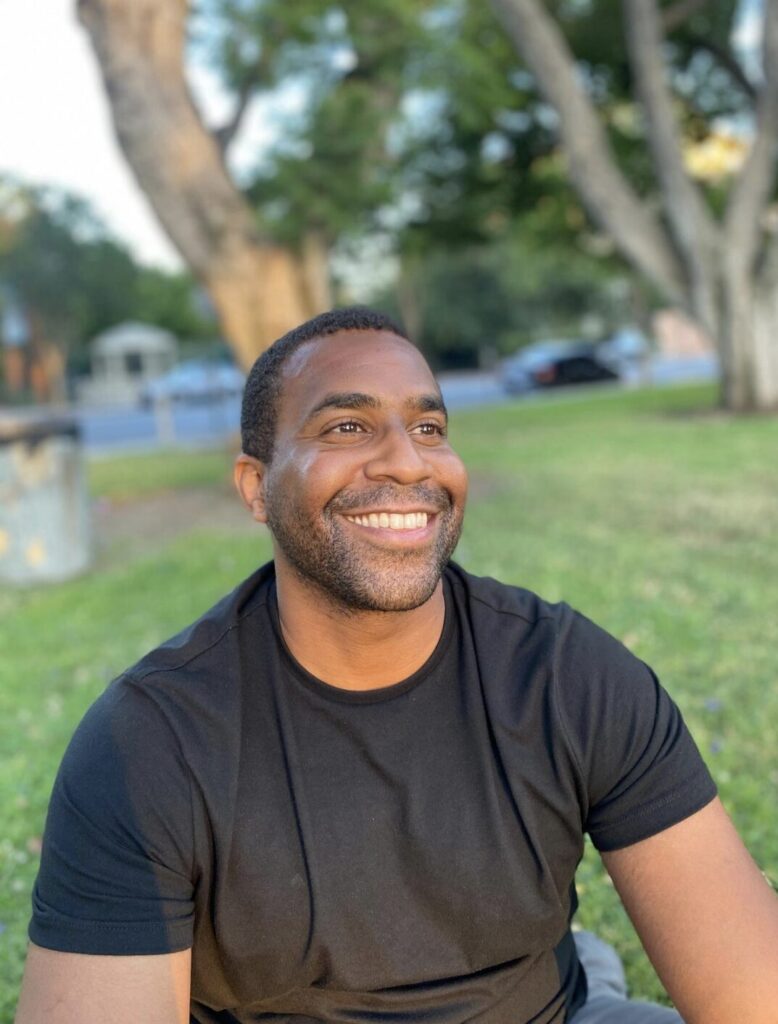
To Connect With Michael And Book A Session Click HERE
Follow Michael On Instagram HERE