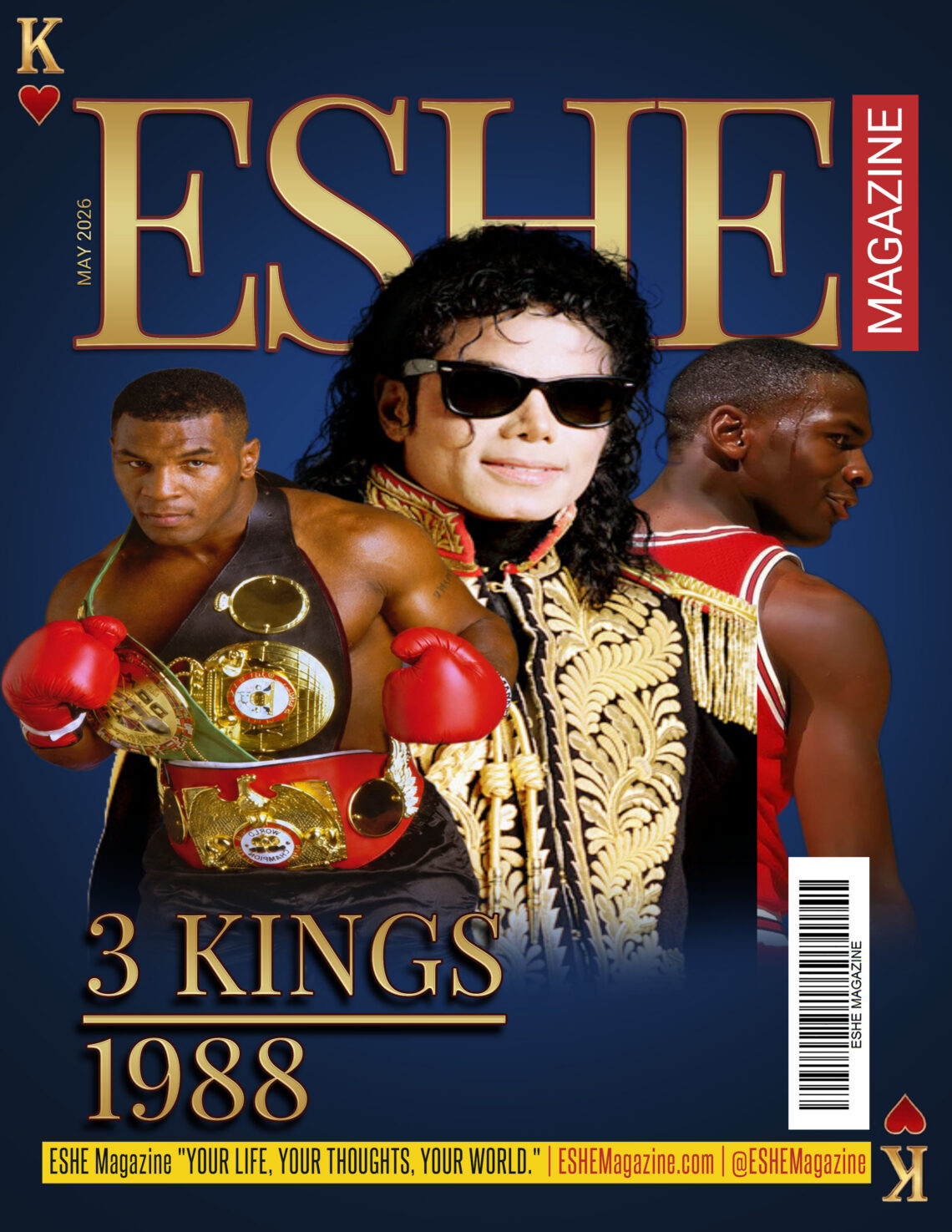
3 Kings | Michael Jackson | Michael Jordan | Mike Tyson
By David Jordan Jr
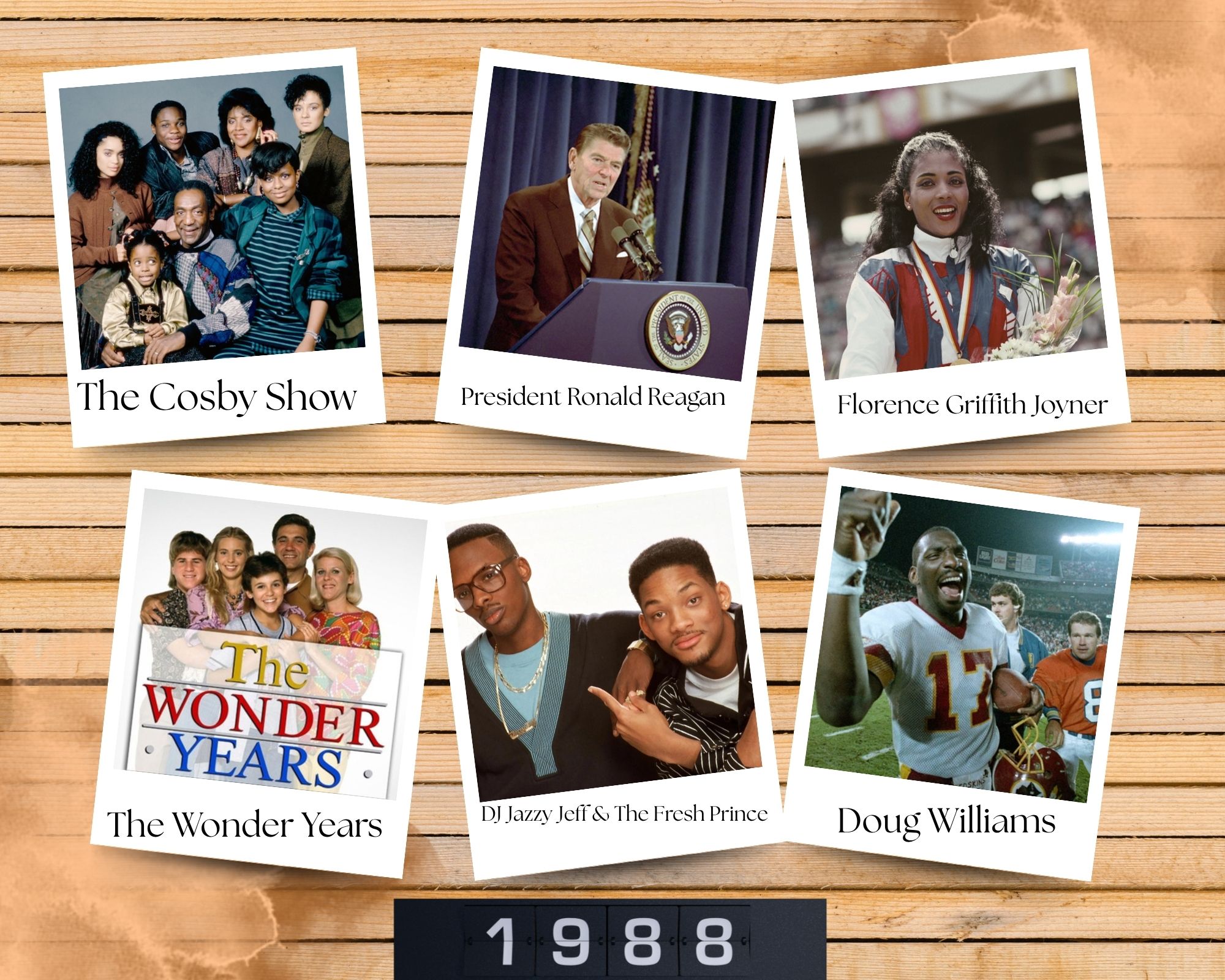
The year is 1988. Globally, there is an energy and youthfulness to world culture that spearheaded many unprecedented firsts, game-changing history, and iconic instances that still impact the world to this day. In the world of entertainment, music and film asserted its place as one of the foremost culture shifting genres; the emergence of hip hop would see many young artists such as DJ Jazzy Jeff and the Fresh Prince, Eric B & Rakim, MC Lyte, M.C. Hammer, Salt & Pepa and Public Enemy to name a small few submit their place in the history of Hip Hop with ground breaking albums. Television and film would debut brilliant timepieces such as the series “The Wonder Years,” “The Teenage Mutant Ninja Turtles,” “Naked Gun,“ and “Die Hard”, with each of these films and shows becoming a staple in households across the world. The sports world would see a stylish gold medal-winning performance from the late Florence Griffith Joyner at the 1988 Seoul Olympics, and the city of Los Angeles would reign supreme in the NBA as the Lakers became the first NBA team in 19 years to win back-to-back NBA titles, while the Los Angeles Dodgers would defeat the Oakland Athletics to win the 1988 World Series. Doug Williams, an alum from Grambling State University would lead the Washington Redskins to a Super Bowl win and become the first Black quarterback to do so and be named Super Bowl MVP. President Ronald Reagan was closing the second term of his presidency of the United States, while The Cosby Show continued its reign as the number one television show in the U.S.
As history was continuously made and new technology enabled the world to spring forward, three men captured the essence of 1988 with their sheer presence, God-given talent, aura, charisma, and unique style that transcended all walks of life, races, and countries. The three kings each ruled their respective fields with an energy and distinction that has not been seen since. The mere mention of the names Michael Jackson, Mike Tyson, and Michael Jordan evoked a mythical vision of three iconic figures who were transforming not only the worlds of sports and entertainment but also shaping culture as it related to fashion, style, attitude, and success.
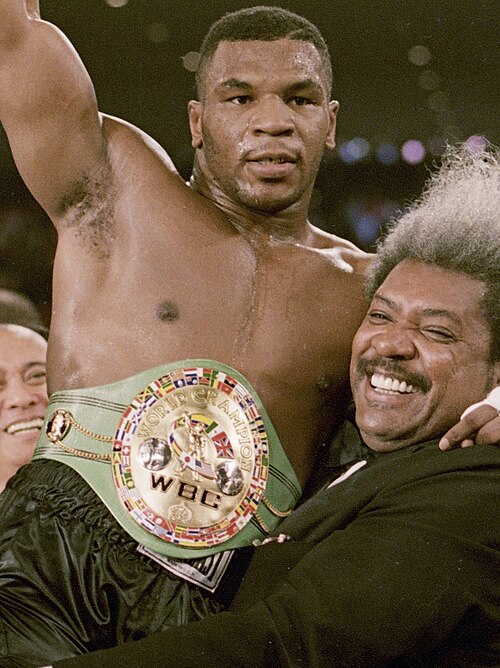
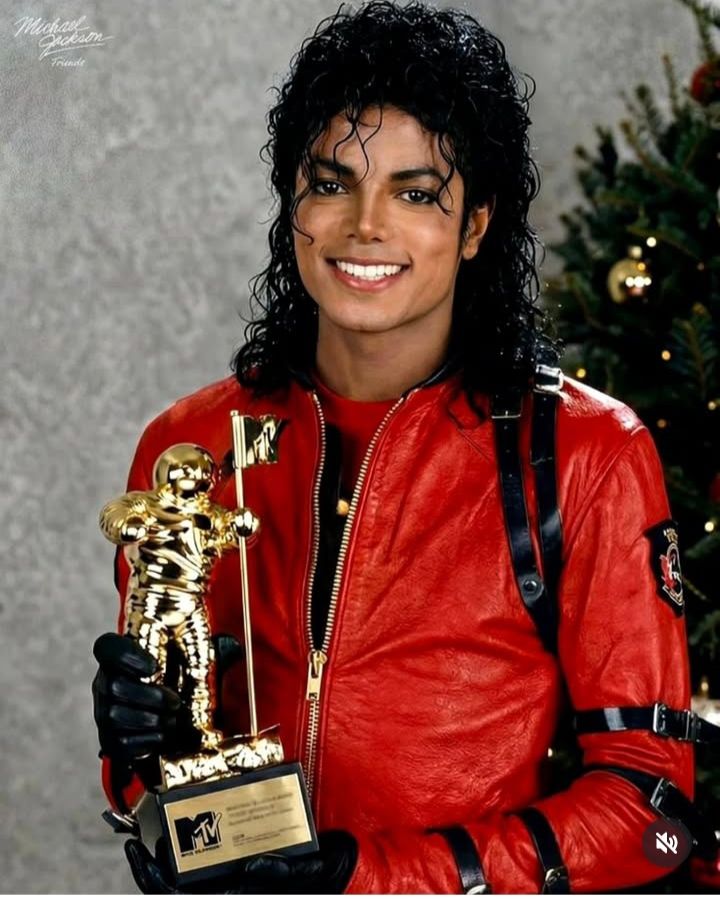
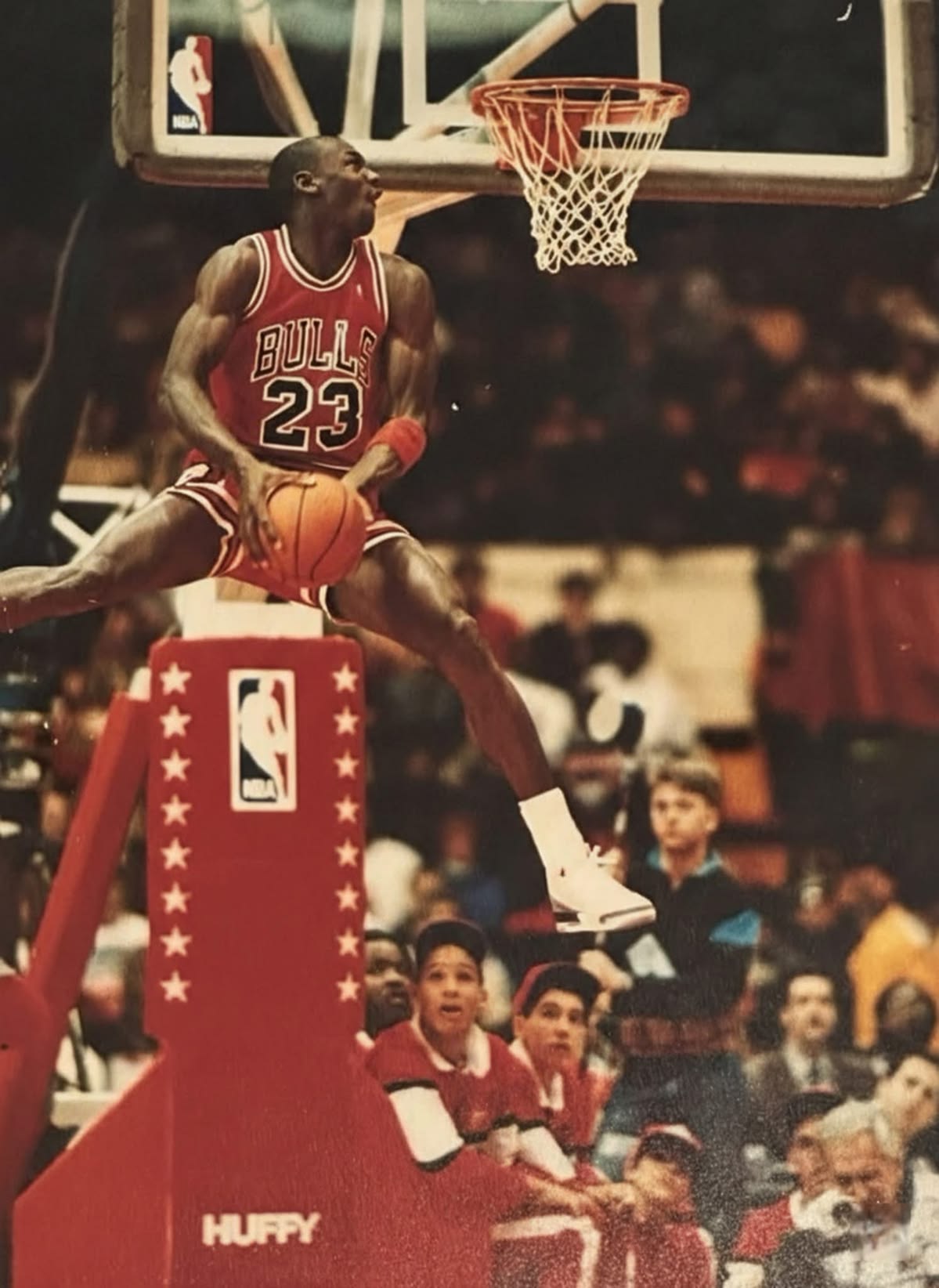
By 1988, Michael Jackson, Mike Tyson, and Michael Jordan were each at the top of their music, boxing, and basketball careers and were continuing to ascend with each step they took. Three years later, in 1991, Gatorade would debut their “Be Like Mike“ campaign for Michael Jordan with his endorsement, but the saying could have easily been relevant to each of the “Mikes“ in 1988.
Michael Jackson – “King Of Pop”
“I don’t care if the whole world is against you or teasing you or saying you are not gonna make it. Believe in yourself, no matter what.” – Michael Jackson
By 1988, Michael Jackson had reached the epitome of success as a solo artist after having started his career alongside his brothers to form the Jackson 5 (later The Jacksons), a momentum that was built by the album “Off The Wall,“ which was released in 1979 and “Thriller,“ which was released in 1987. Jackson solidified himself as the “King of Pop“ when he won eight Grammys from the “Thriller“ album in 1984, which also became the best-selling album of all time.
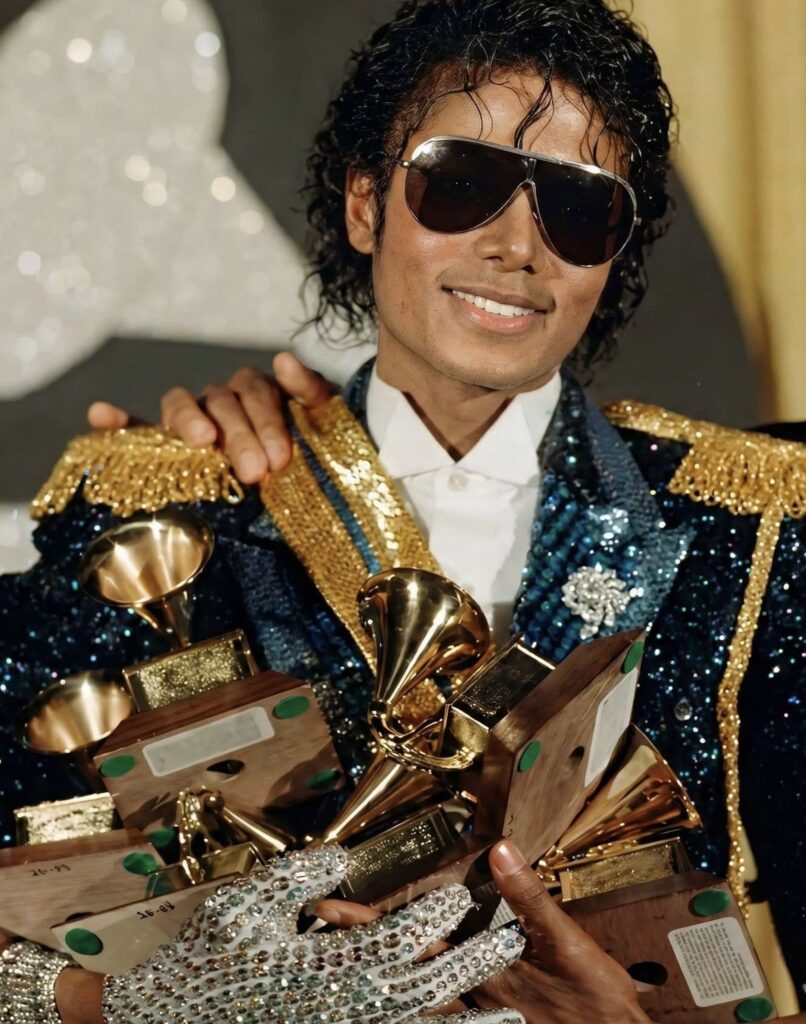
The “Bad“ album was released in 1987 and catapulted Jackson to another level of global superstardom and worldwide impact. The album would see Michael Jackson becoming the first artist ever to have five number-one singles from a single album. These singles included “I Just Can’t Stop Loving You,” “Bad,” “The Way You Make Me Feel,” “Man in the Mirror,“ and “Dirty Diana” from the nine-track album.
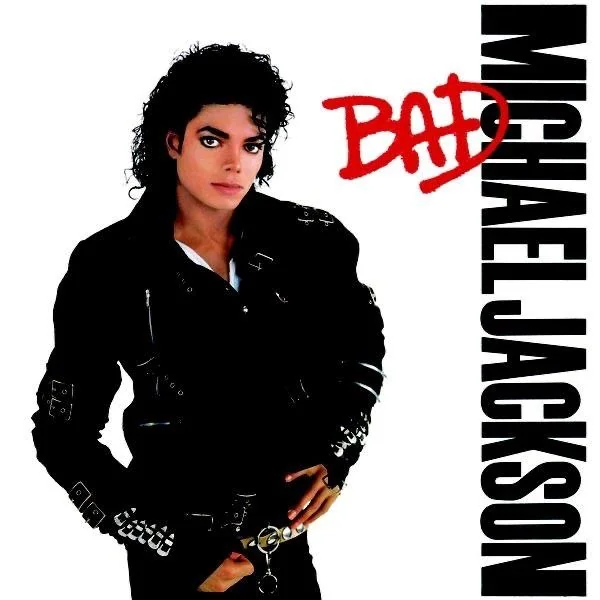
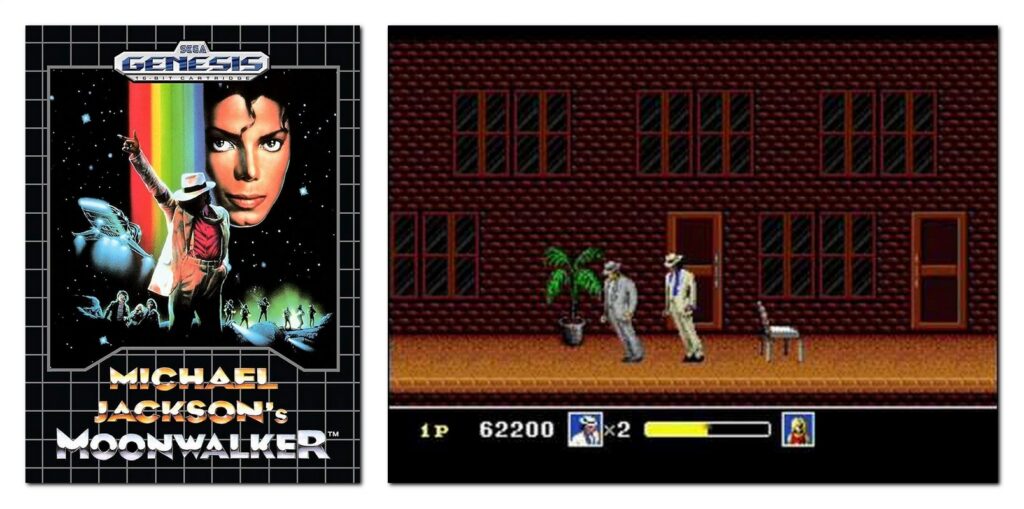
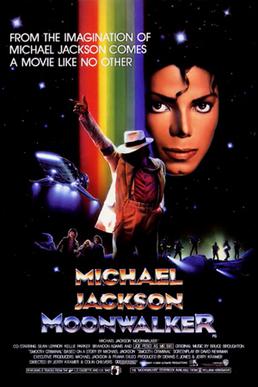
Culturally, the impact of Michael Jackson could be seen in various elements of everyday life globally. From seeing young kids to grown adults wearing attire like Michael Jackson, from the Thriller video jacket to the Beat It video jacket, the big black aviator sunglasses, white gym socks with black dress shoes, to full leather outfits with various straps and buckles, the Michael Jackson effect was everywhere. Each video that he debuted was much watch television, and the dance moves which he displayed (most notably the Moonwalk) were imitated in the school yards, sports arenas, and nightclubs all across the world. On top of the music, there was an opportunity for global fans to see and hear Michael anytime, without having to pop in a cassette tape, wait for the radio to play his songs, or see a video on MTV or BET, with the release of the film “Moonwalker.“ Moonwalker was a musical film that, in addition to Jackson, featured a unique cast exploring variations of Jackson’s life, his influence on the world, his fans, and his simplicities, through a collection of minifilms and extended music videos. This film would provide the foundation for the Sega Genesis video game of the same title, which would be based on Michael Jackson’s “Smooth Criminal“ video.
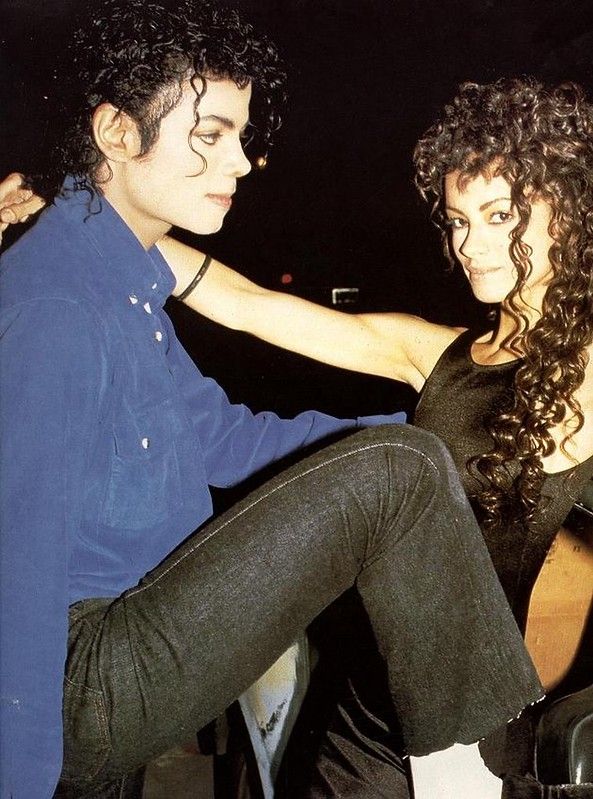
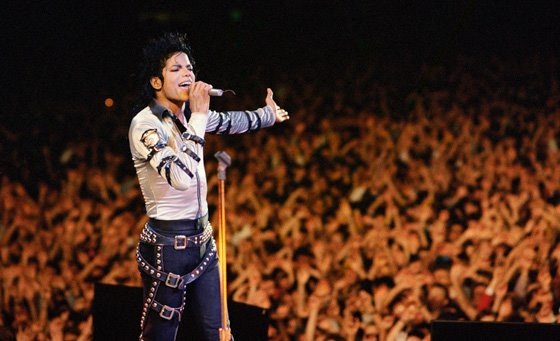
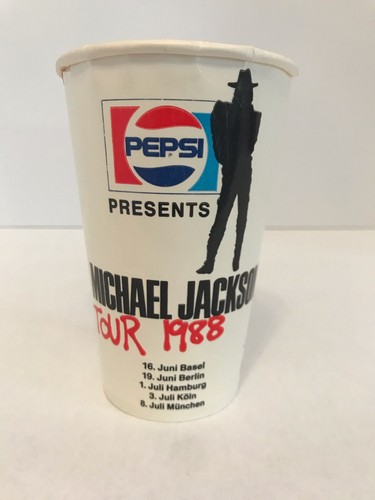
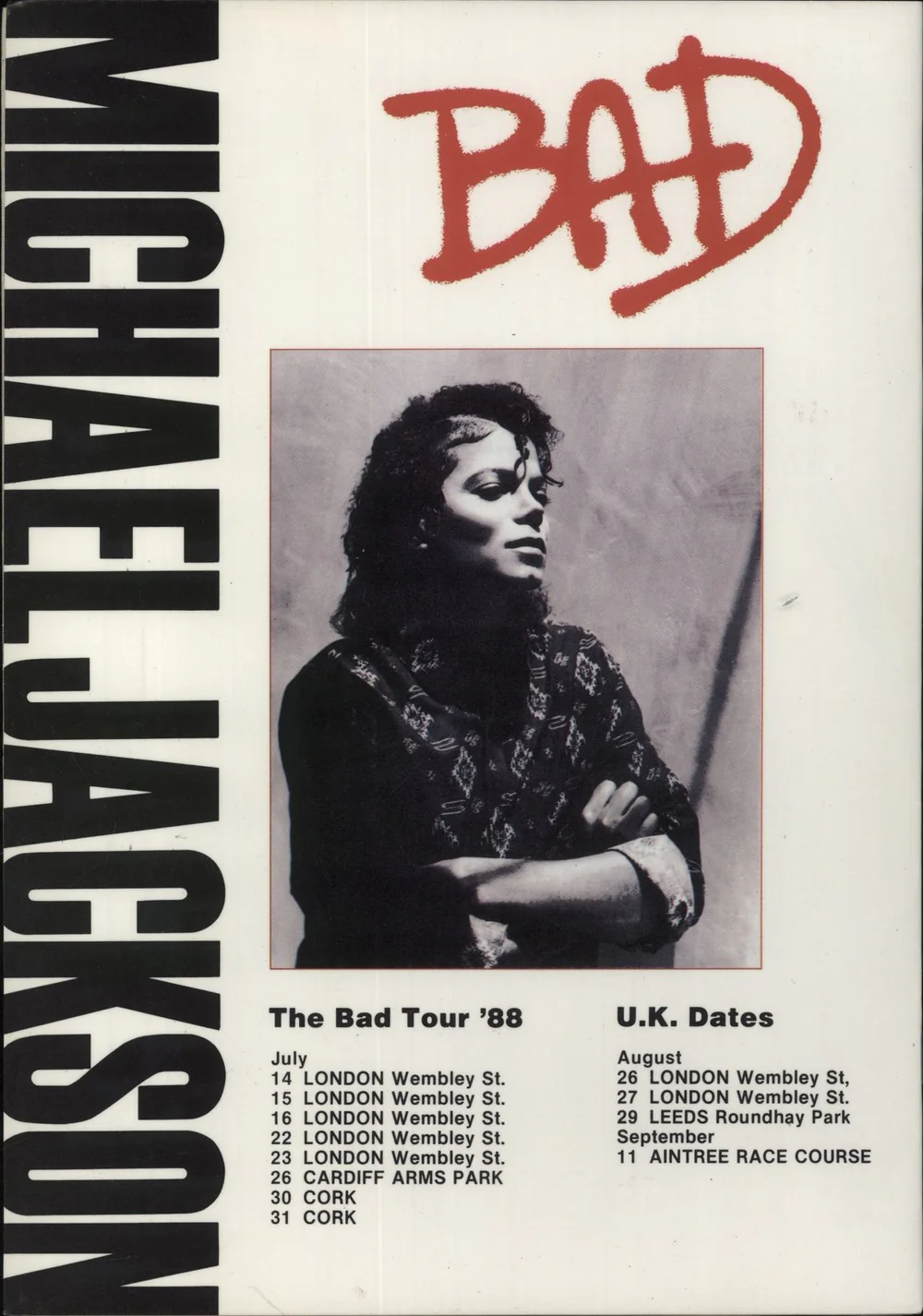
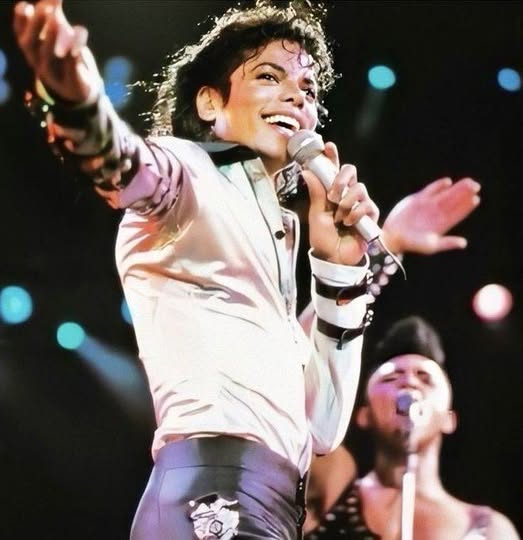
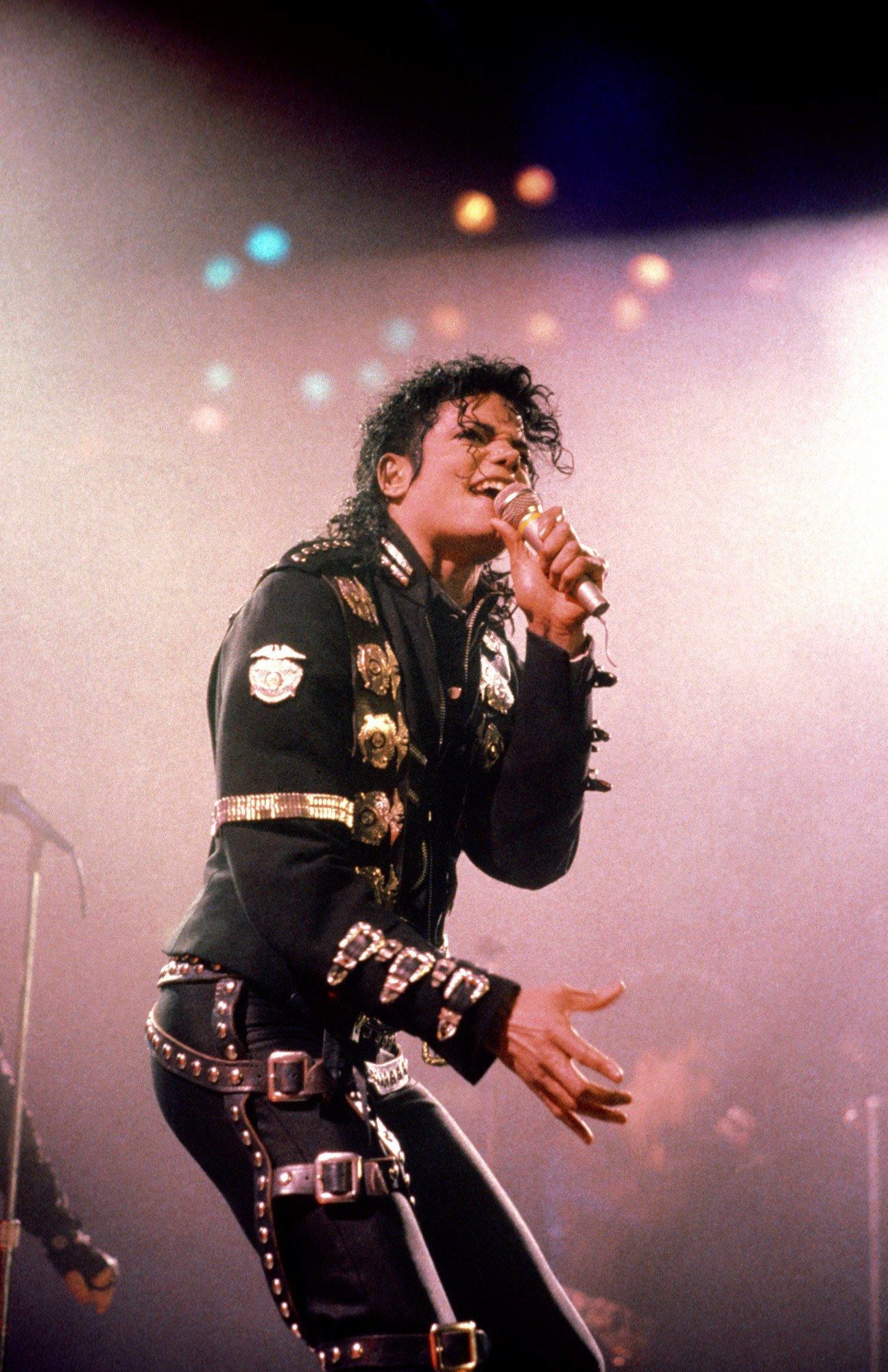
The pinnacle of the year would be the ongoing “Bad“ tour which began in September 1987 in Japan and would become a 123 show world tour that would eventually end in January 1989 Sponsored by Pepsi, the “Bad“ tour would gross a total of $125,000,000 making it the second highest-grossing tour of the 1980s after Pink Floyd’s Momentary Lapse of Reason tour, and earning two new entries in the Guinness World Records for the largest grossing tour in history and the tour with the largest attended audience. Outside of Jackson’s on-stage performance, the second-hand story of his concerts was the large number of fans who would faint at the mere sight of him, the grown men who would cry at the mere sight of him, and the astronomical sales of all things associated with Michael Jackson.
“The Bad Tour was nominated for “Tour of the Year 1988“ at the inaugural International Rock Awards.[3]As a humanitarian, Jackson’s charitable donations would prove priceless, as he donated massive sums to various charities and hospitals worldwide to promote healing and unity among citizens. He was recognized by Fisk University, an HBCU in Nashville, Tennessee, with an honorary Doctor of Humane Letters in Culture, and he used his platform to promote unity. His commitment to unity was stamped with his number one song, “Man In The Mirror.”
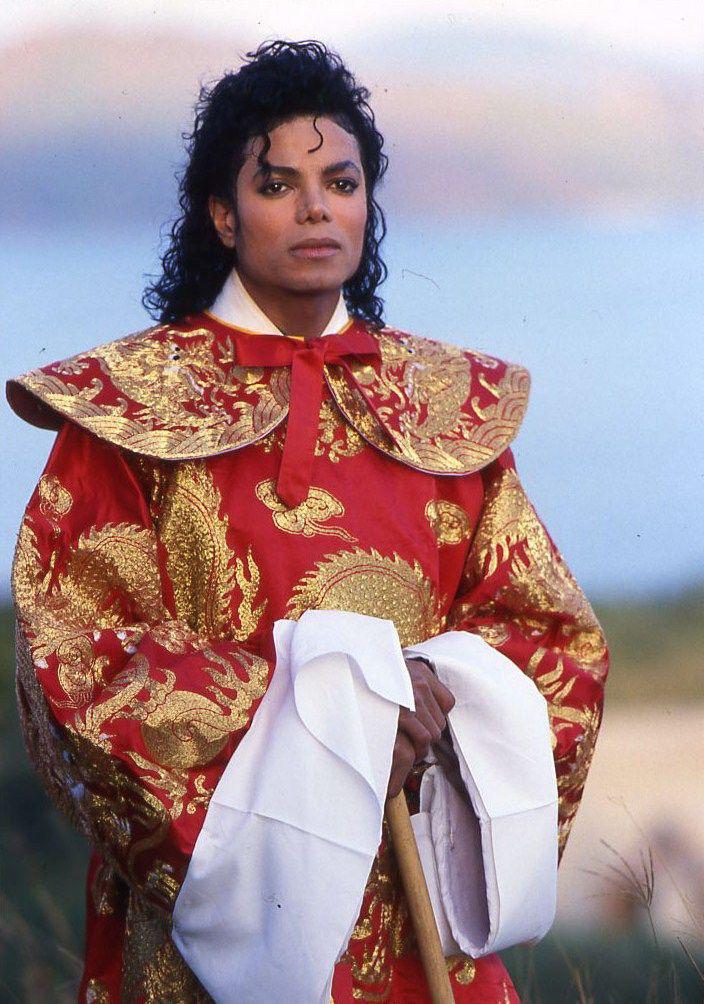
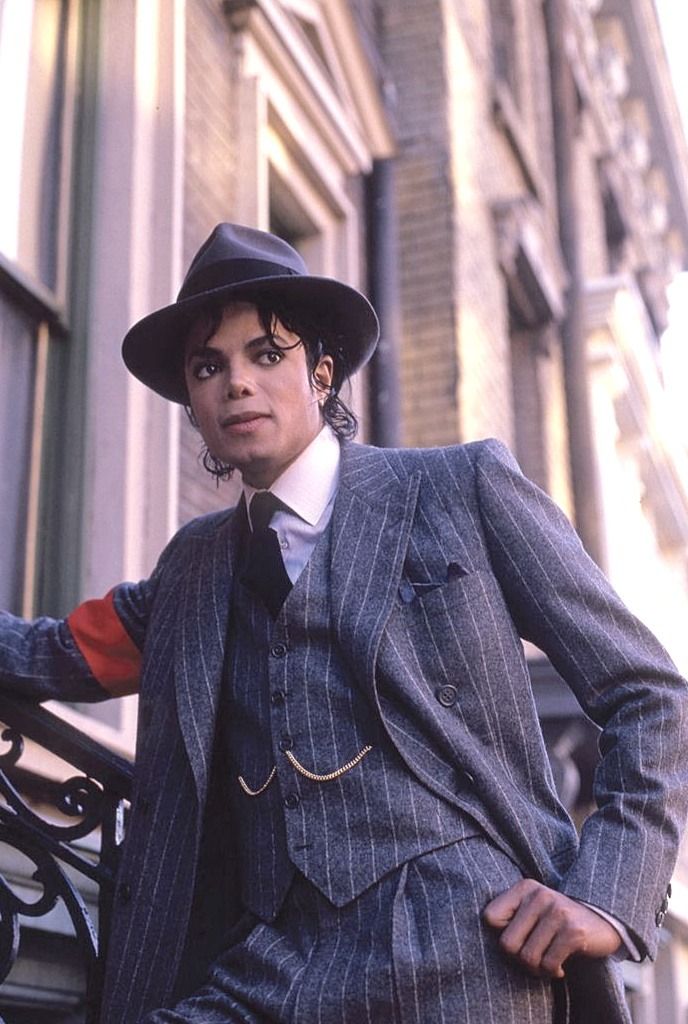
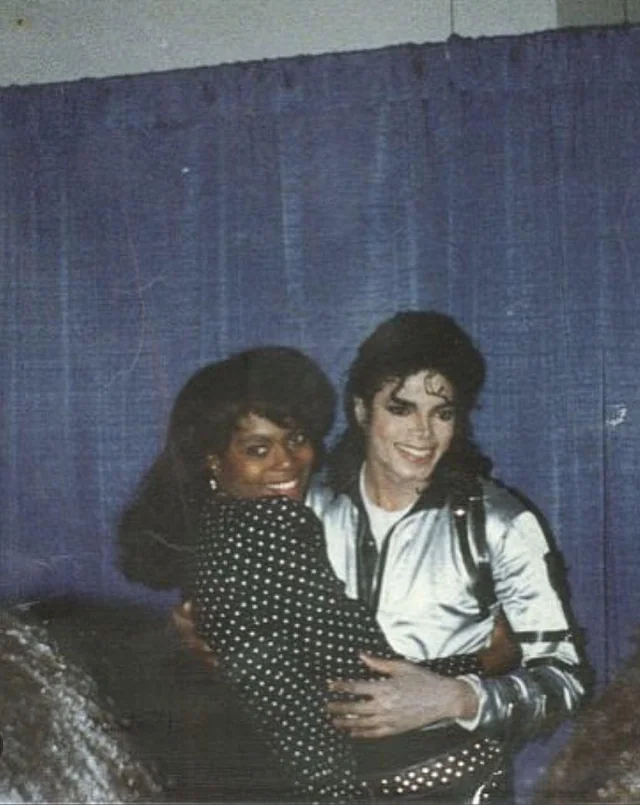
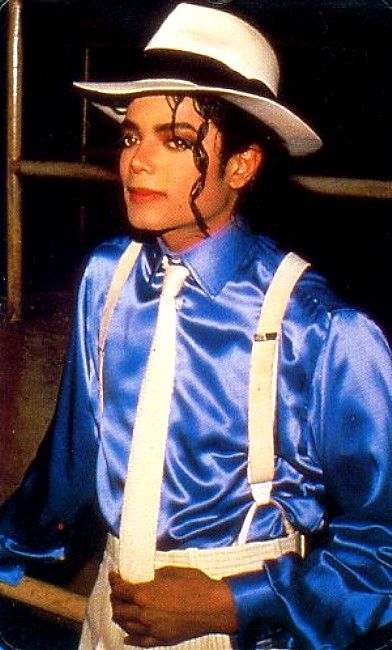
Michael Jackson 1988
Michael Jordan – Air Jordan
“If I get the ball, you at mercy of whatever I want to do. It’s nothing that you can say or do about it if I’m on my game. The feeling is you own the ball, you own the game, you own the guy who’s guarding you. You can actually play him like a puppet.” – Michael Jordan
In 1988, the National Basketball Association was enjoying a healthy resurgence, which had begun at the beginning of the decade with the professional debuts of college basketball stars Larry Bird and Magic Johnson in the 1979-1980 professional season. Johnson, drafted by the Los Angeles Lakers, and Bird, drafted by the Boston Celtics, reignited a rivalry between the Celtics and Lakers that had not occurred since the 1960s. By 1988, Bird and Johnson had competed in every NBA Finals series since 1980, having won seven NBA titles between them; however, in 1984, there was an undeniable changing of the guard with the arrival of Michael Jeffrey Jordan in the National Basketball Association. Drafted by the Chicago Bulls with the third pick in the 1984 NBA Draft, Jordan would take the league by storm in his rookie season. During his first year in the league, he would average 28.2 points, 6.5 rebounds, 5.9 assists, and 2.4 steals over 82 games. He shot 51.5% from the field, was named NBA Rookie of the Year, an All-Star starter, and led the Chicago Bulls to the NBA Playoffs.
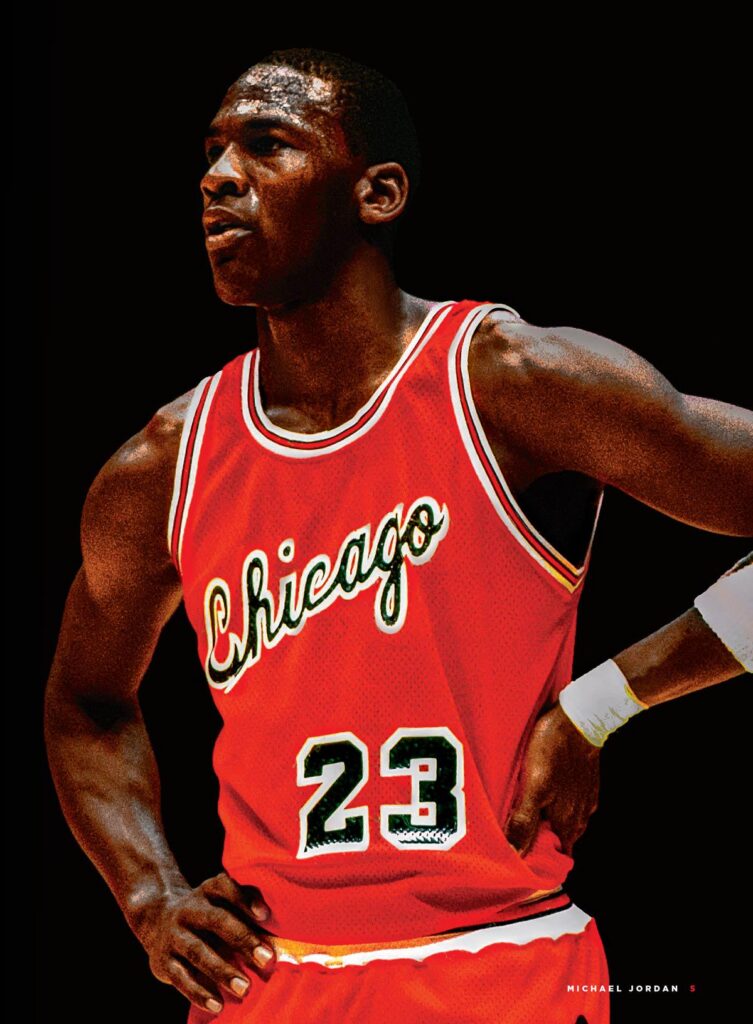
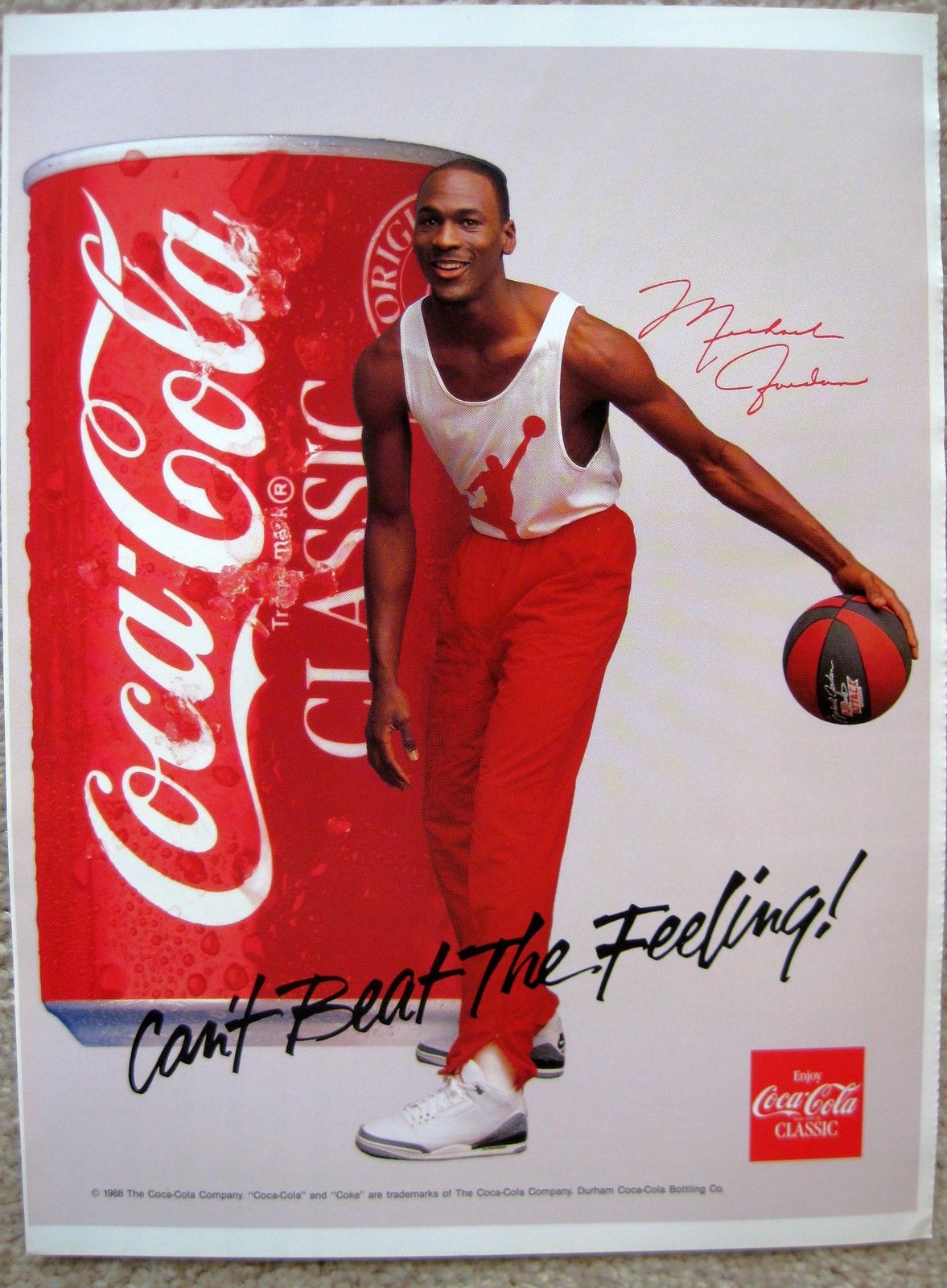
As amazing as those accomplishments were for Jordan on the court, his greatest accomplishments may have come off the court in his business deal with Nike. Signing with Nike, Jordan would have a product line named after him, including his own shoe, the “Air Jordan,“ which would forever change the athletic shoe industry and the trajectory of Nike Inc.
Although his second NBA season (1985-1986) would be cut remarkably short by a foot injury (he would only play 18 regular-season games), he would cement his place in the NBA’s record books by scoring an NBA Playoff record 63 points against the eventual 1986 NBA Champion Boston Celtics at the famed Boston Garden in the first round of the NBA Playoffs. Despite the loss, the performance signified that Air Jordan had arrived and was not going anywhere. Larry Bird reinforced MJ’s arrival by stating, “It’s just God disguised as Michael Jordan.“ The 1986-1987 season would see Jordan exert his dominance offensively in a way not seen since Wilt Chamberlain. In addition to being named to the All-NBA Team and NBA All-Star teams, Michael’s offensive prowess saw him score 3,041 points, averaging 37.1 points per game.
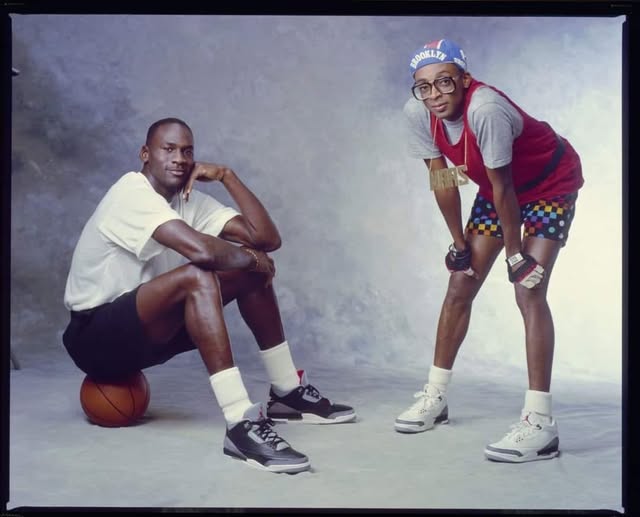
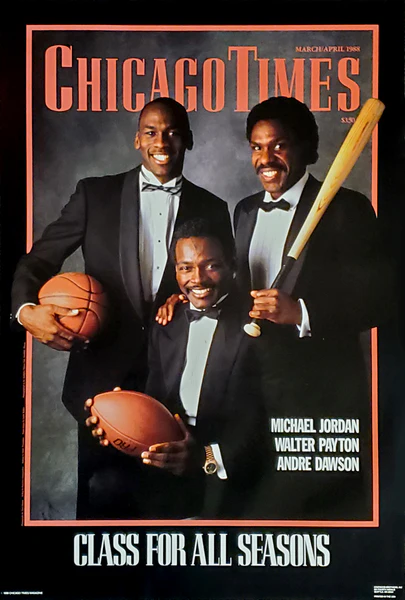
The excellence of Michael Jordan would be on full display in 1988. As his game soared on the court, his global popularity would grow. As Nike was carving its place in the athletic apparel industry, their new “Just Do It“ campaign aligned perfectly with Michael’s ability to do it on the court. Michael Jordan and film director Spike Lee would work together on a series of commercials for the Air Jordan sneaker that would become iconic, connecting basketball, pop culture, television, and film to the man who was Air Jordan. Mars Blackmon and Air Jordan would capture the world off the court in the same way Michael would capture fans with his on-court performance.
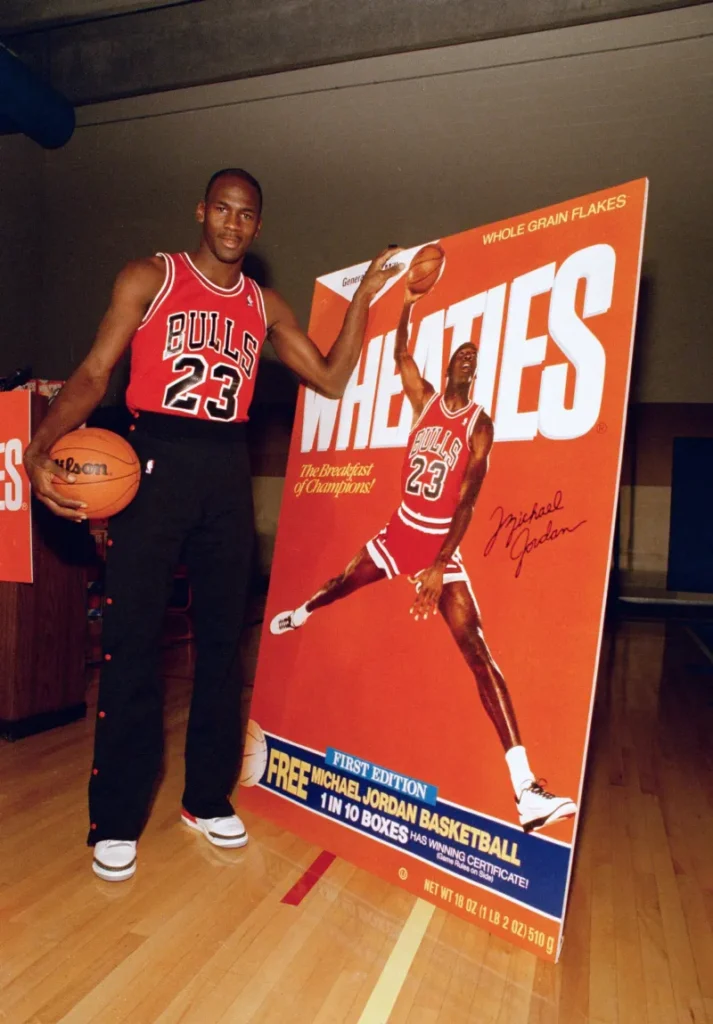
As the breakfast of champions, Wheaties would embrace the Michael Jordan phenomenon, as Michael would appear in a commercial for Wheaties Cereal in 1988, officially making his way into the kitchens of young basketball players who wanted another way to be like Mike.
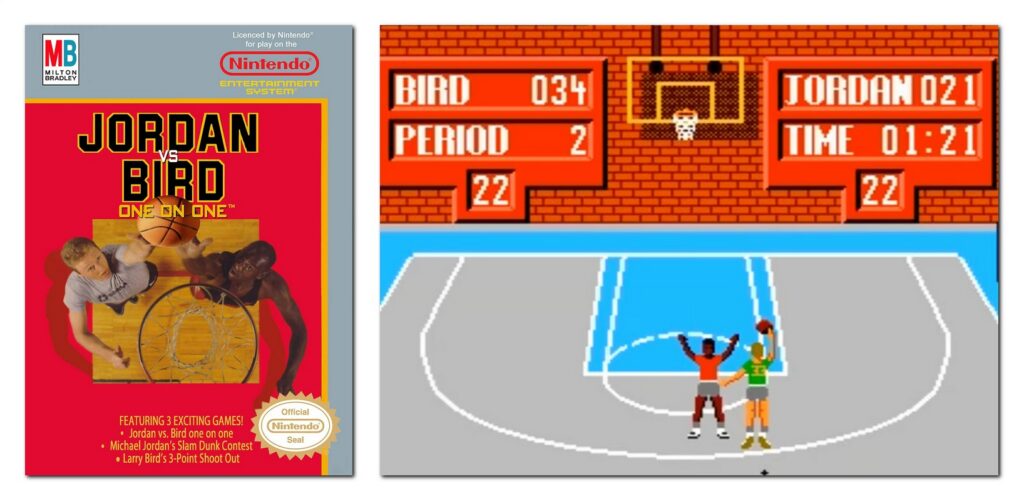
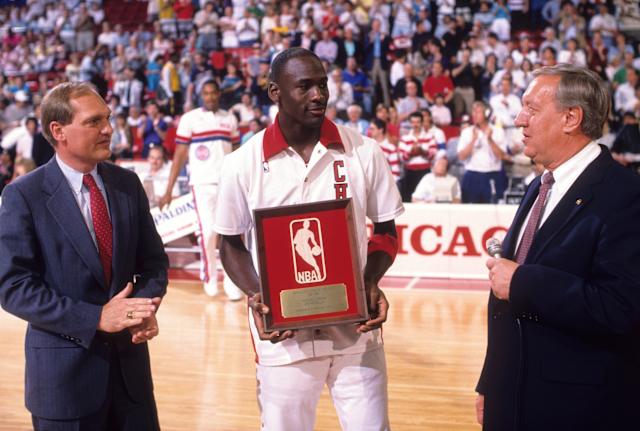
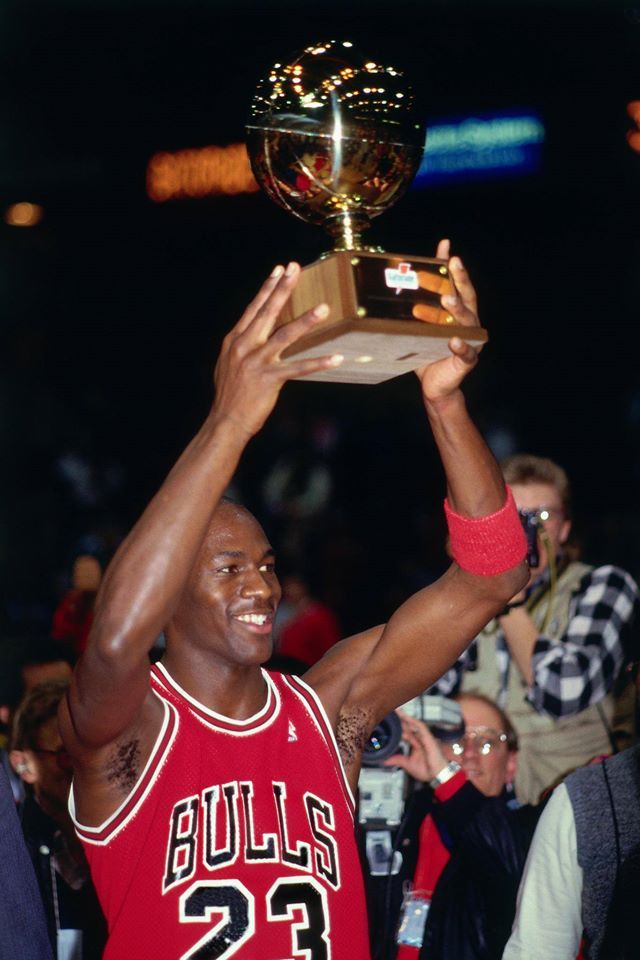
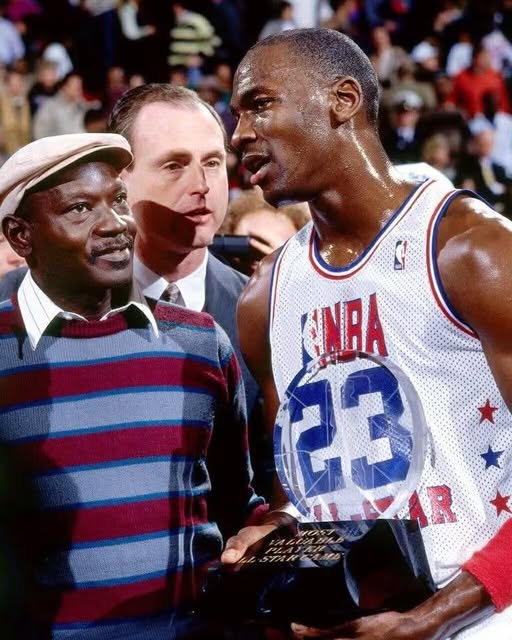
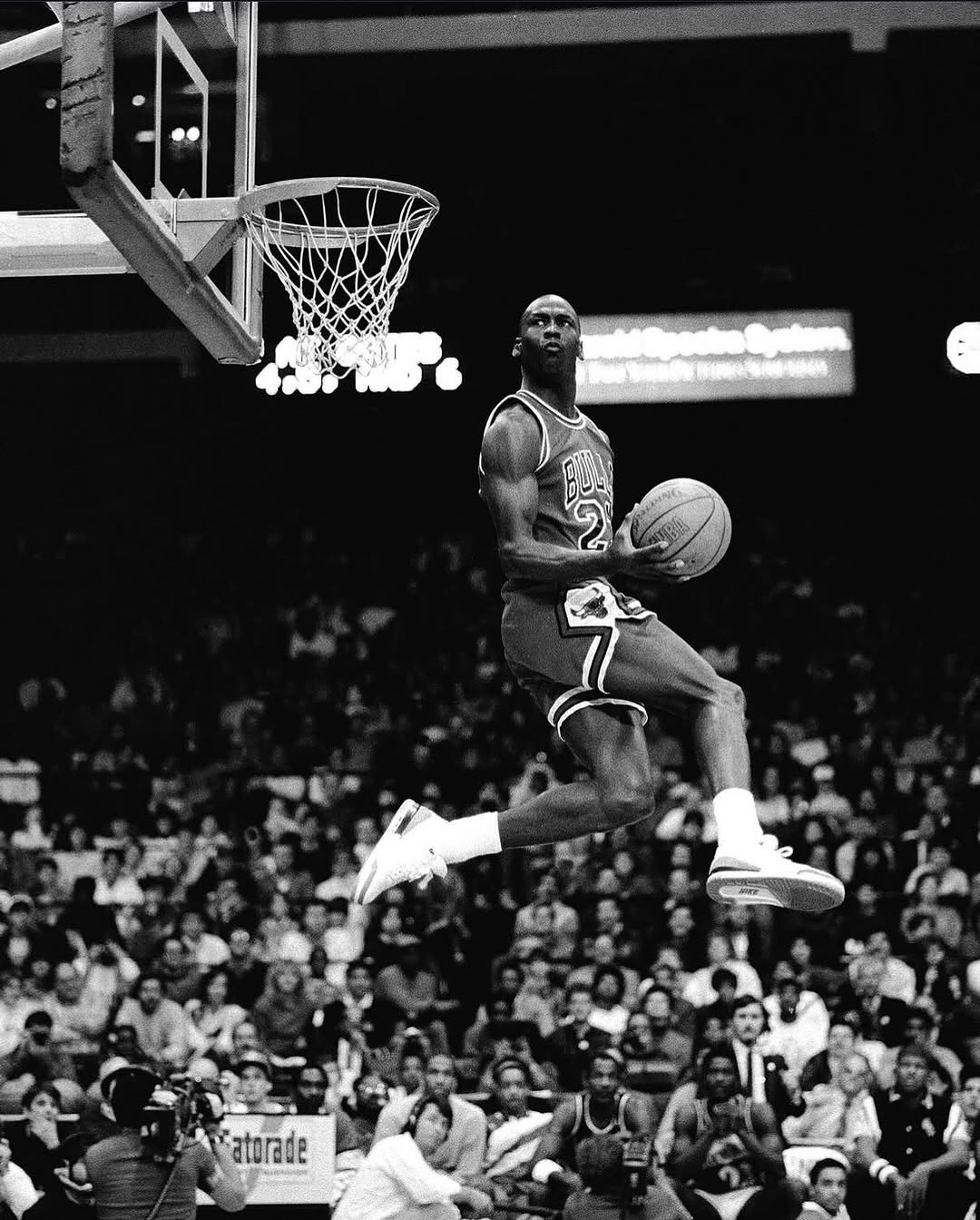
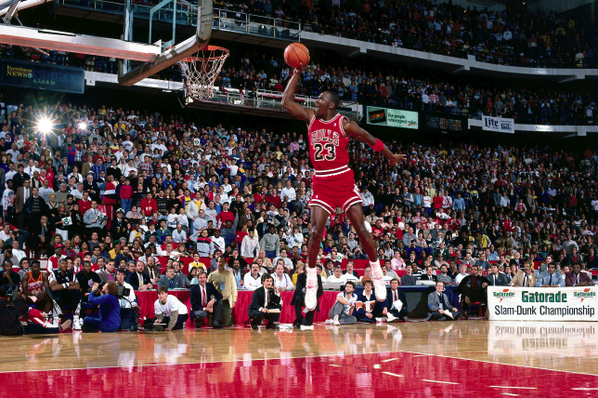
MJ’s on-court performance would give the world a front-row seat to history in every aspect of an NBA Player’s Career. During the 1987-1988 season, Michael swept various individual awards for his superb play on the court. Michael would be named NBA Most Valuable Player, Defensive Player of the Year, and All-Star Game MVP, while leading the league in scoring (averaging 35.0 PPG) and steals (averaging 3.2 SPG). He became the first player in NBA history to win Most Valuable Player and Defensive Player of the Year in the same season. As the All-Star Weekend would take place in Chicago in February 1988, Air Jordan would take flight, solidifying his place as one of the greatest basketball players of all time. Michael would win the second of back-to-back All-Star Weekend Slam Dunk Championships and would end the weekend being named MVP of the 38th Annual NBA All-Star Game, as he finished with a stat line of 40 points, 8 rebounds, 4 steals, 4 blocks, and 3 assists.
Jordan would again lead the Bulls to the NBA playoffs, and his excellence on the court, coupled with his business acumen and marketing genius, would propel him to another stratosphere.
Michael Jordan 1988
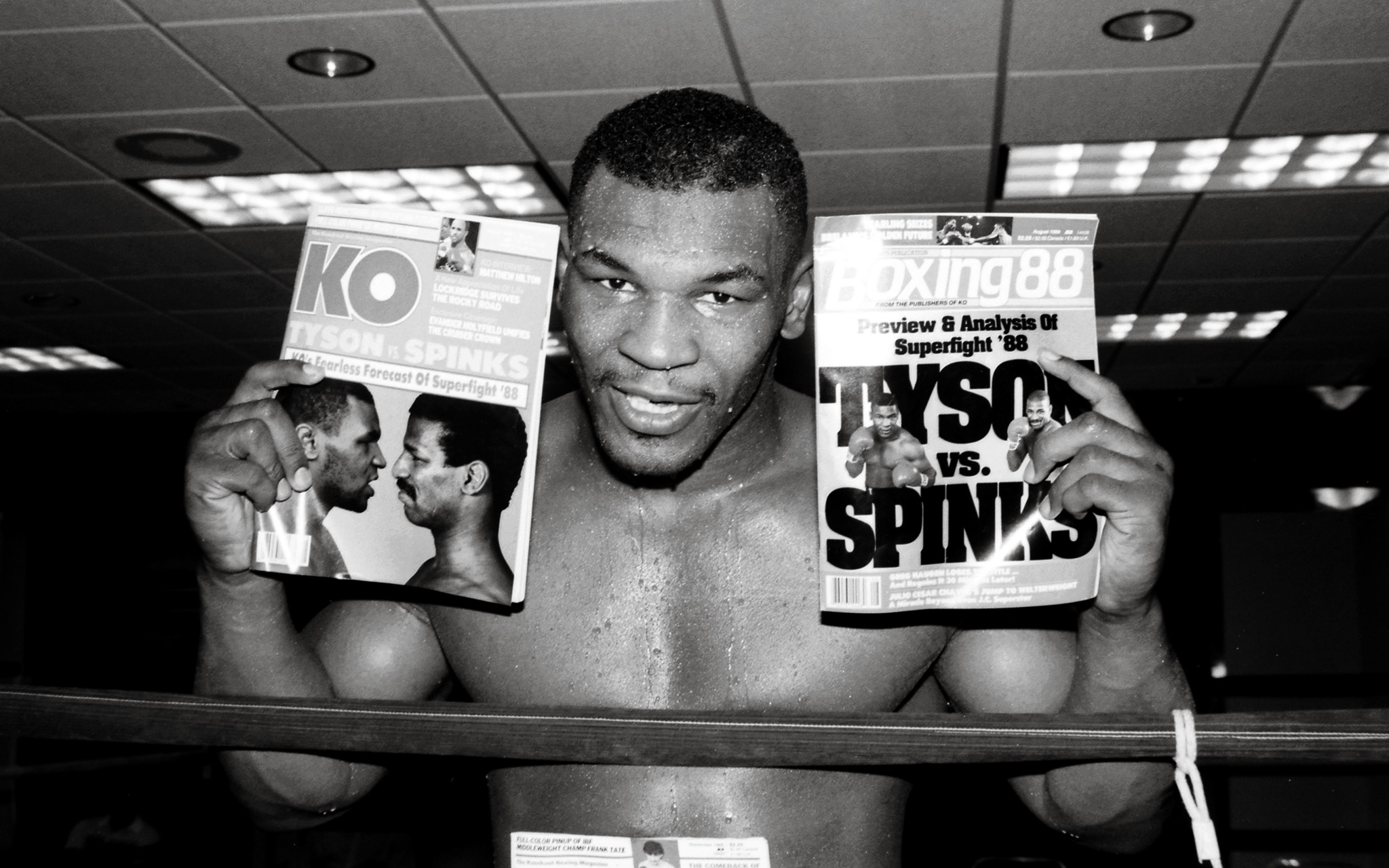
Mike Tyson – (Kid Dynamite)
“I’m from Brownsville, Brooklyn, I’m not afraid of nobody.” – Mike Tyson
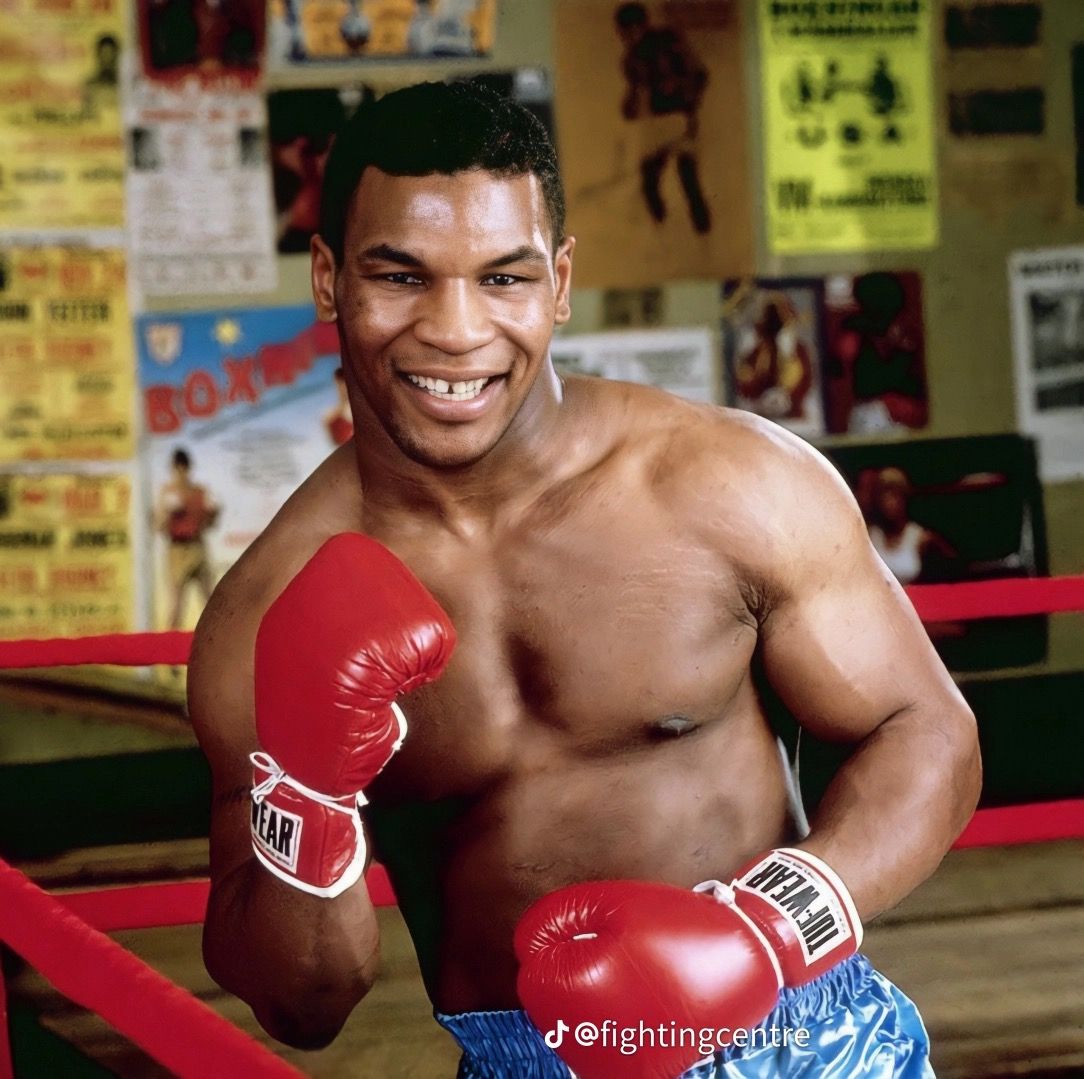
By 1988, “The Baddest Man On The Planet“ had taken the boxing world by its head, as his brilliance redefined the sweet science. Michael Gerard Tyson, known to the world as Mike Tyson, had begun his ascension to becoming the undisputed Heavyweight Champion of the world eight years earlier in Upstate New York under the guidance and tutelage of legendary trainer Cus D’Amato. As a teenager who engaged in activities that reflected a lack of guidance and led to his being sent to a juvenile detention center, Tyson began training as a boxer between the ages of 12 and 13. As an amateur, Tyson’s uncanny power, quickness, and ferocity catapulted him to the global spotlight as the next great fighter to grace the ring. Tyson’s excellence as a young fighter enabled him to win gold medals at the 1981 and 1982 Junior Olympic Games, defeating Joe Cortez in 1981 and Kelton Brown in 1982.
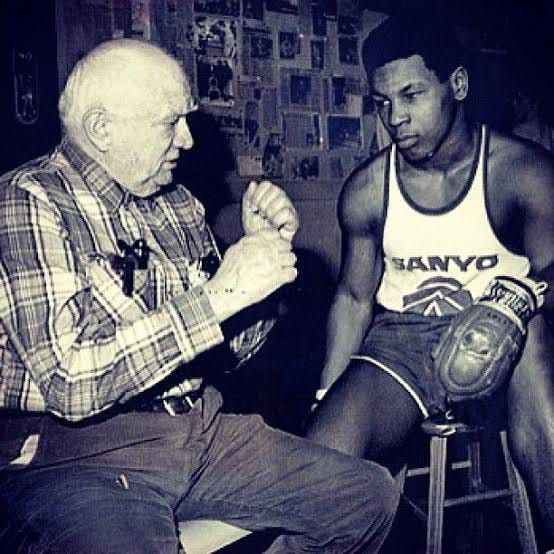
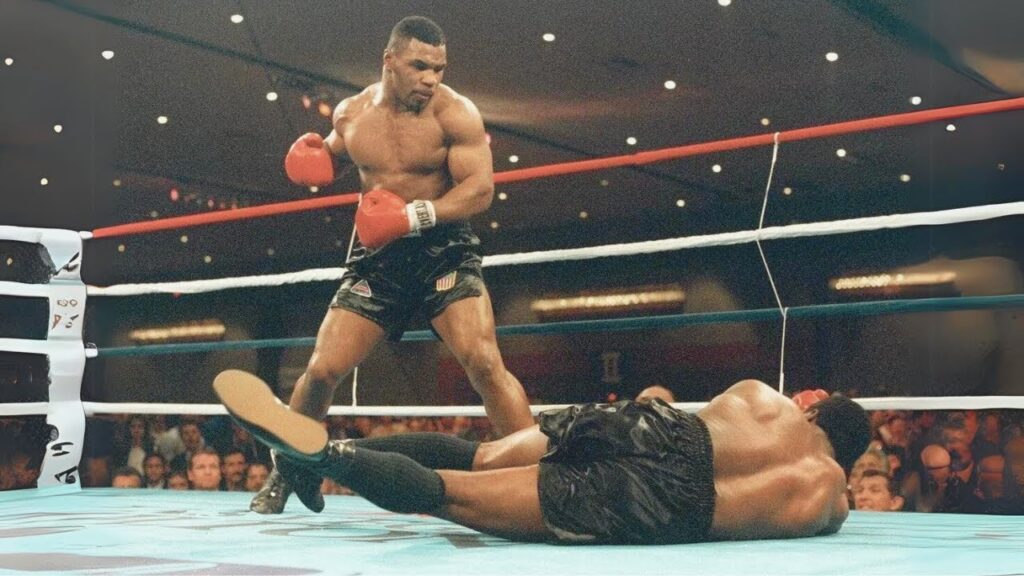
In 1984, Tyson won the gold medal at the National Golden Gloves in New York City. Mike Tyson competed for the opportunity to represent the United States in the 1984 U.S. Olympic Trials but lost two decisions to eventual Olympic gold medalist Henry Tillman. It was after this that Tyson turned professional at 18. During his first year as a professional boxer, Tyson participated in 15 matches. Competing against a variety of opponents, he achieved victory in 26 out of his first 28 fights, with an impressive 16 of those wins coming in the very first round by either knockout or technical knockout. These near-flawless victories set up the stage for Tyson to become the youngest Heavyweight Champion of all time. On November 22, 1986, Tyson, in his first title bout, would take on WBC Champion Trevor Berbick. With 39 seconds left in the second round, Tyson knocked out Berbick to win the title by TKO. Tyson made history as the youngest heavyweight champion ever, at 20 years, 4 months, and 22 days old.
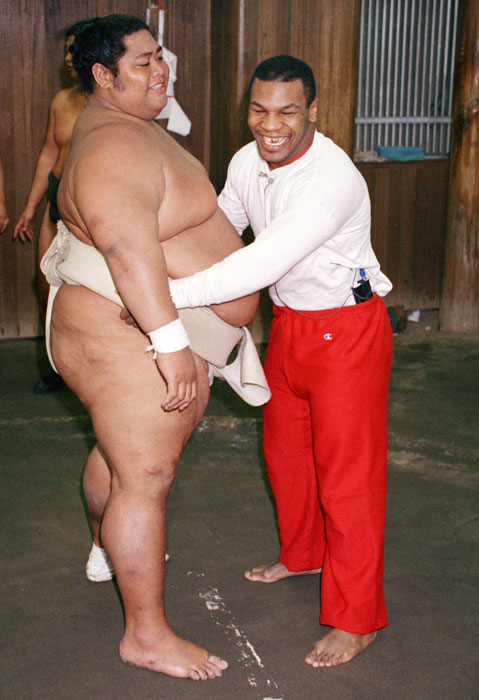
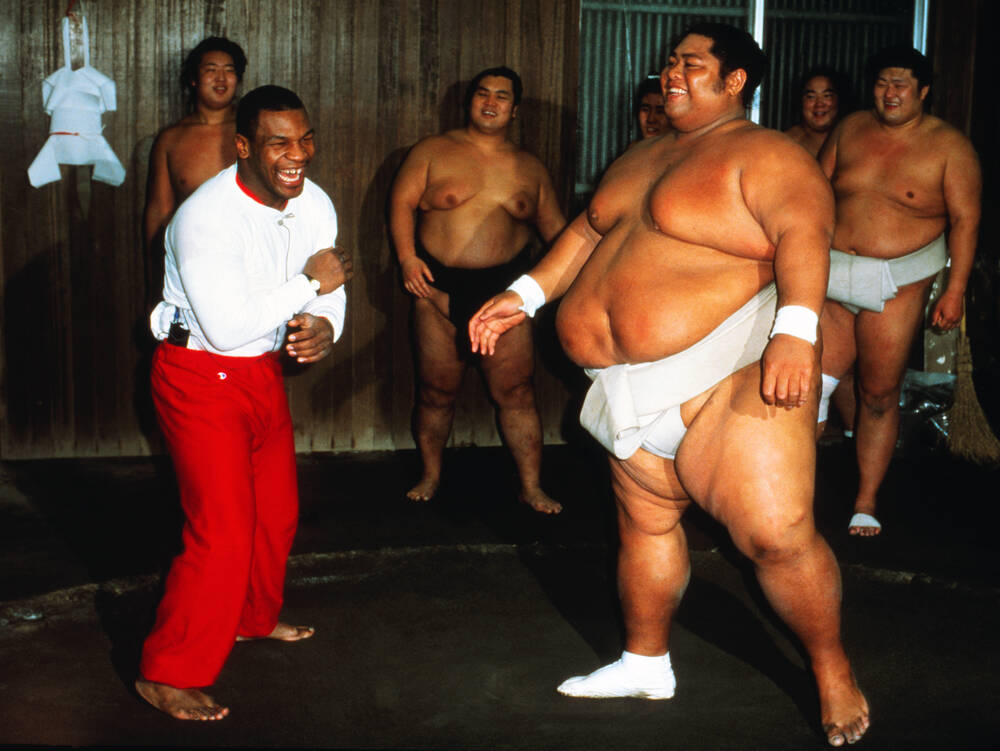
1987 would see Tyson defend his belt and cruise through the heavyweight division with four victories, bringing his career record to 32-0 and unifying the WBA, WBC, and IBF heavyweight titles The video game world would embark upon Tyson Hysteria, as Nintendo would release the video game “Mike Tyson’s Punch-Out!!“ giving fans young and old the opportunity to do what had not been done in the boxing world; fight Kid Dynamite and beat him. Coupled with the video game release in Japan, Tyson would fight Tony Tubbs (March 21, 1988) in Tokyo, Japan, reaching a new level of international fame with new fans in another country.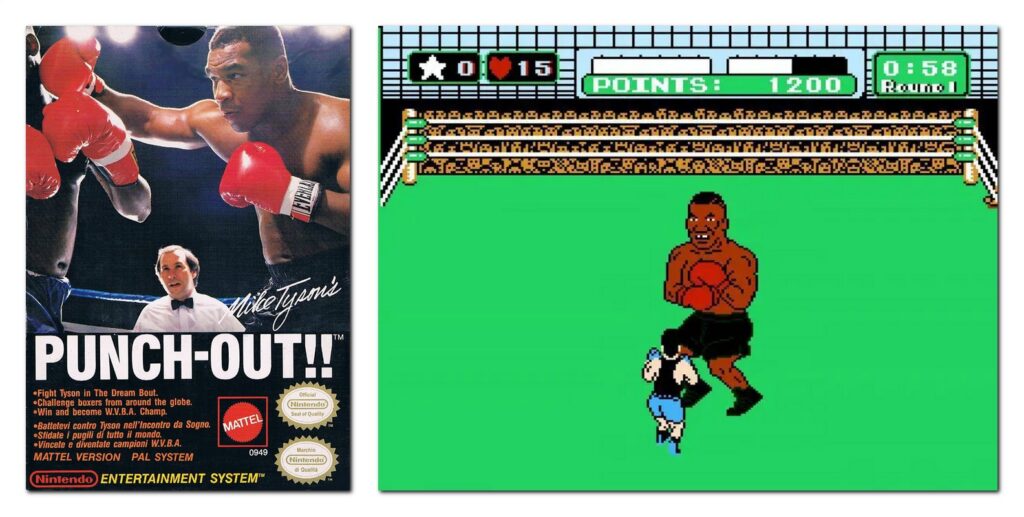
As Mike Tyson entered 1988, his impact and aura as a boxer were taking the sport to a level never seen before.
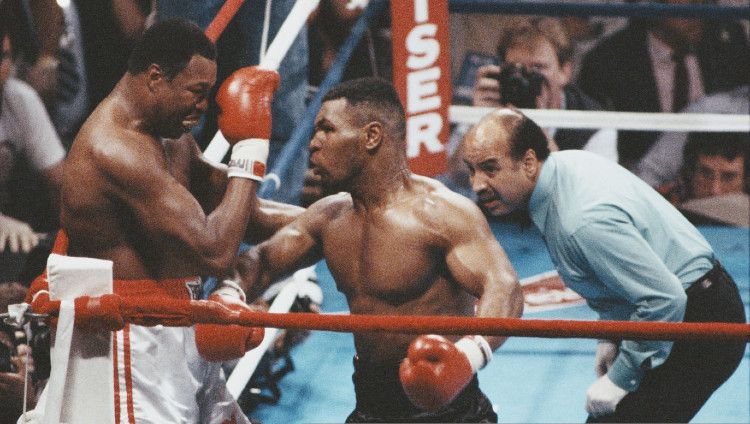
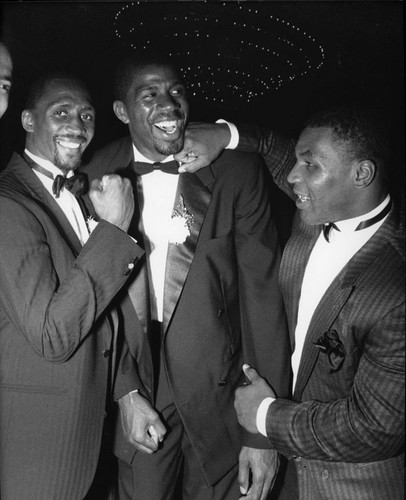
Outside the ring, Tyson was a pop culture phenomenon, referenced in rap songs and television shows. His fights were not events; they were THE EVENT to attend globally. Celebrities, movers, shakers, world leaders, and fellow athletes could all be seen ringside at any of Tyson’s fights. The ring walk for Tyson was a spectacle in itself; Tyson, with black boxing trunks, black shoes, no socks, and no robe or towel, would walk to the ring, causing hysteria for those in the arena and for those watching at home on television.
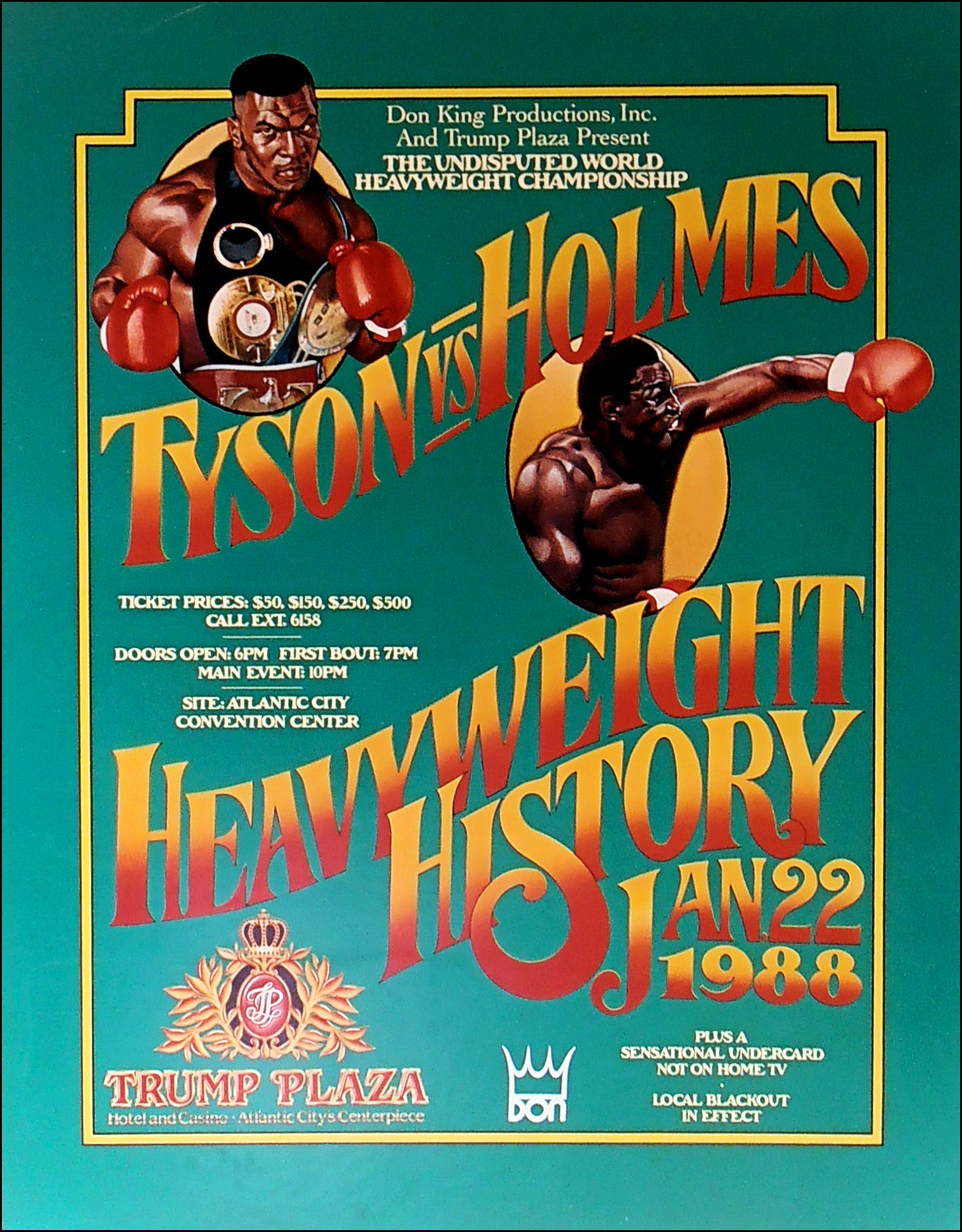
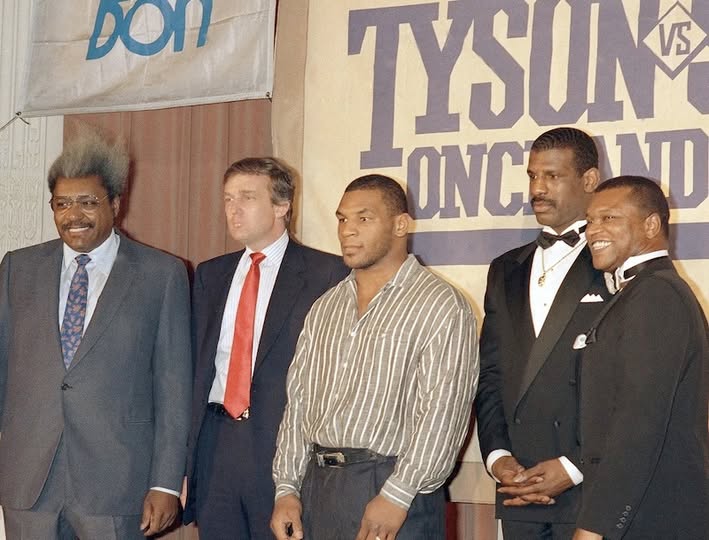
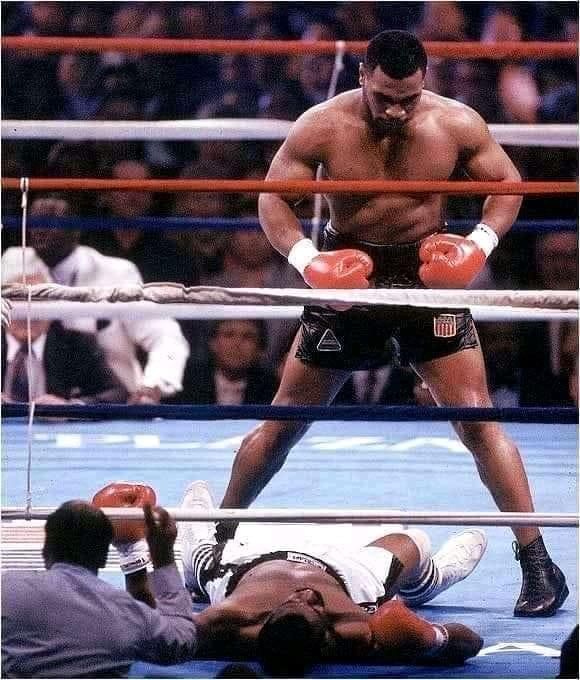
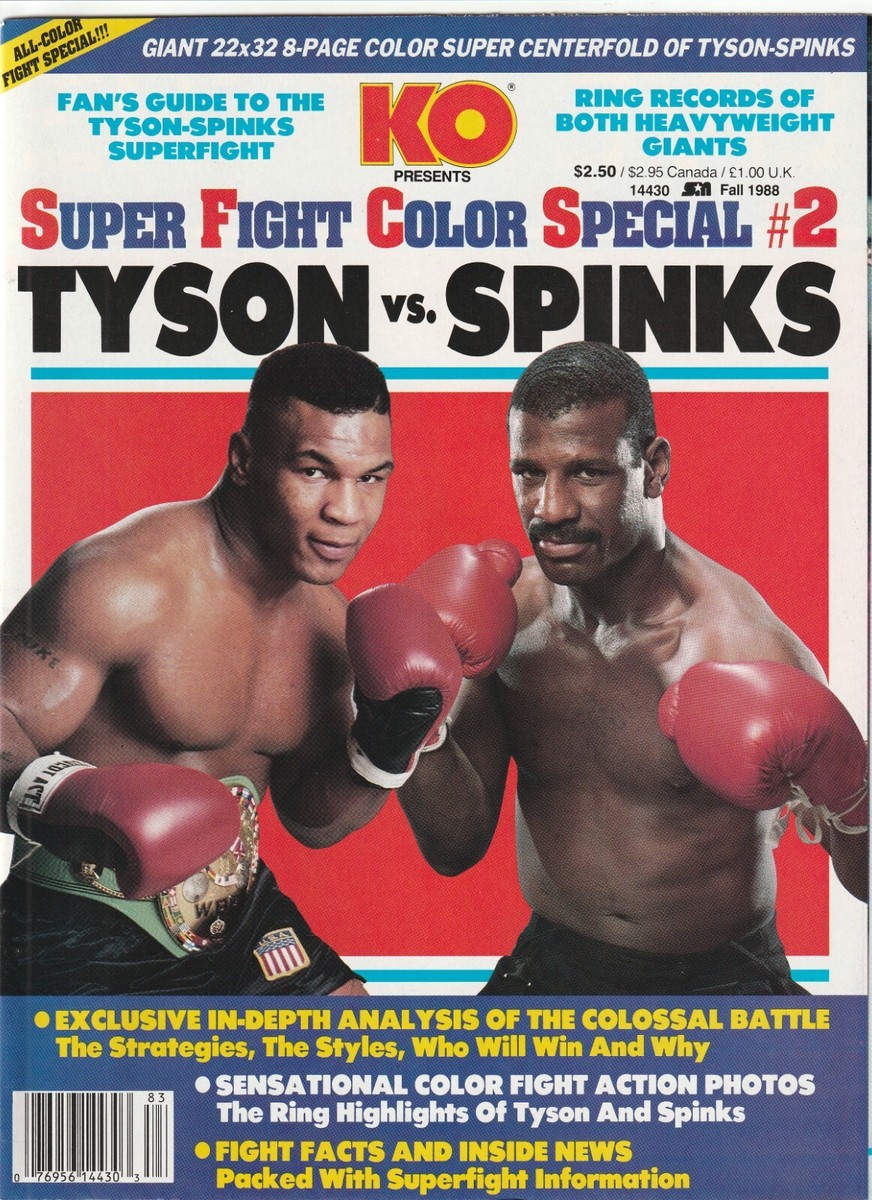
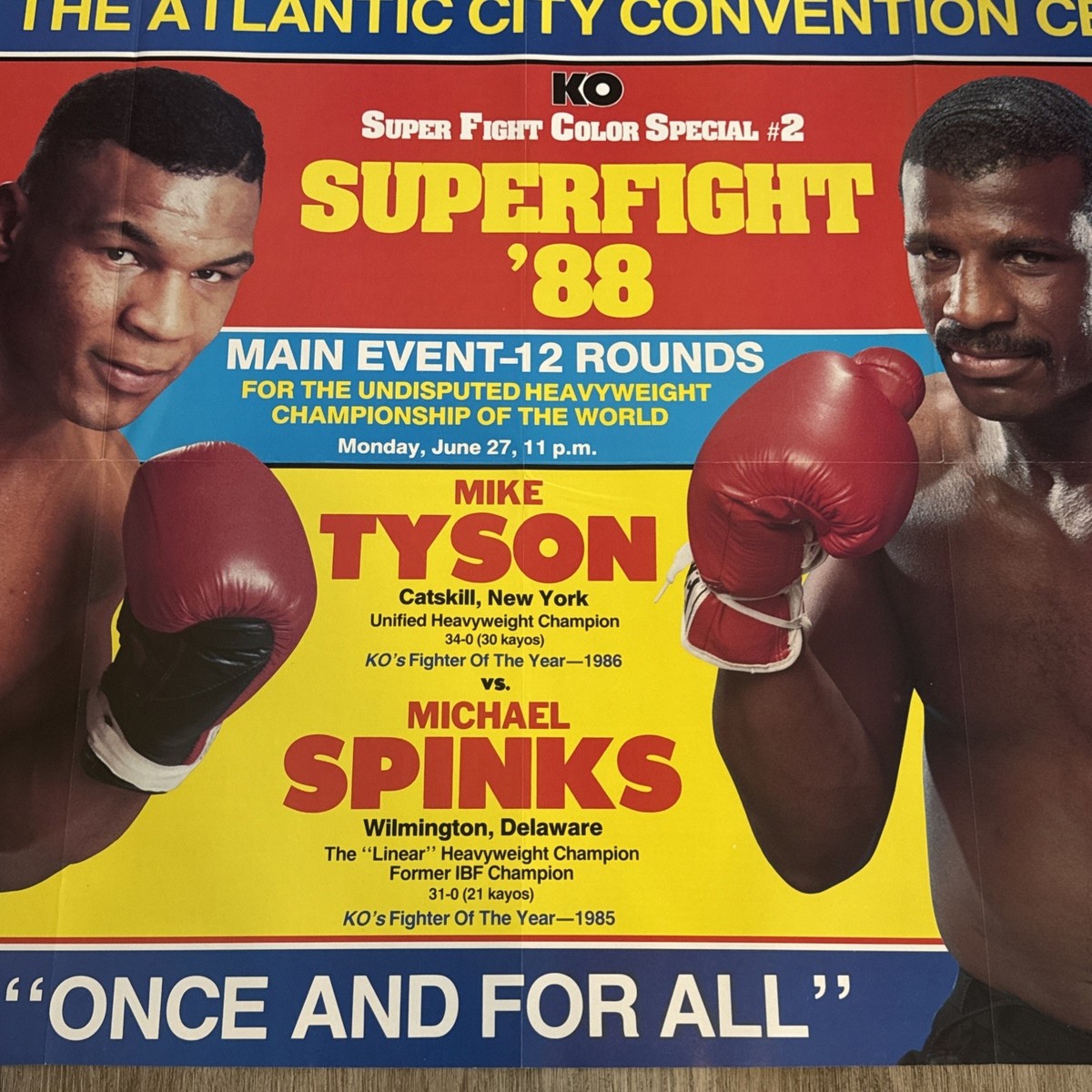
As cable and Pay Per View were resources for fight fans to watch his fights, it became a running joke as to buying a fight to watch, because it would probably be over in a matter of seconds after the bell rang. Becoming an international phenomenon, Tyson’s excellence would reach its apex on June 27, 1988, in his fight against Michael Spinks.
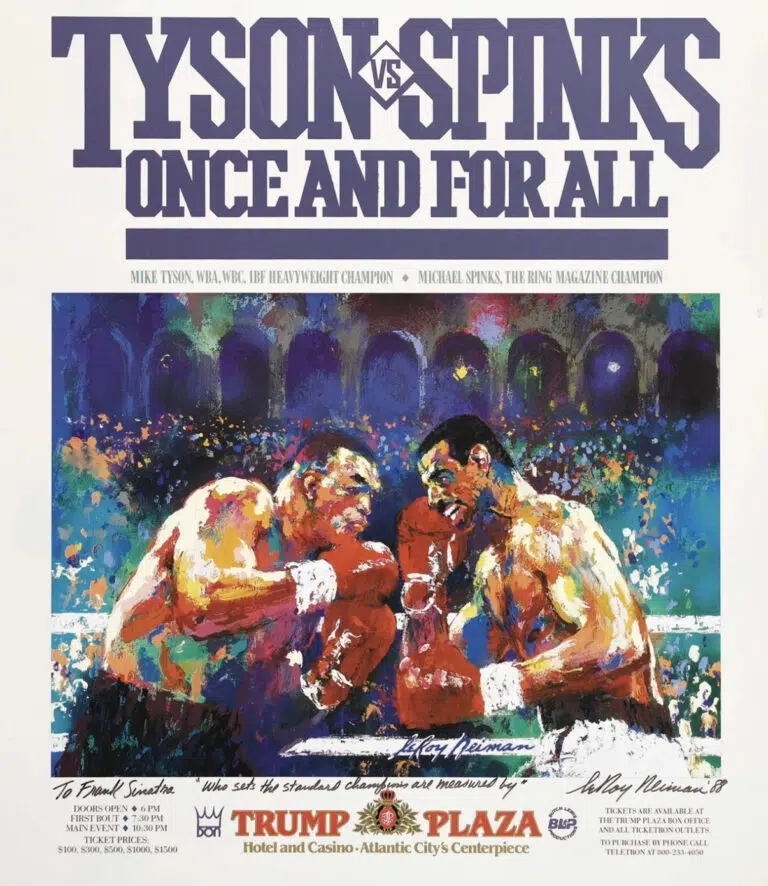
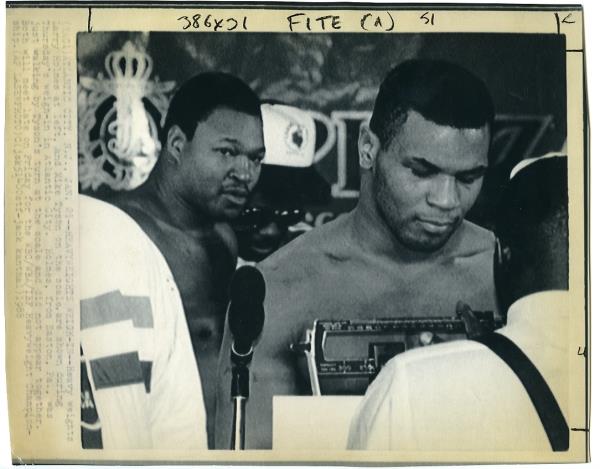
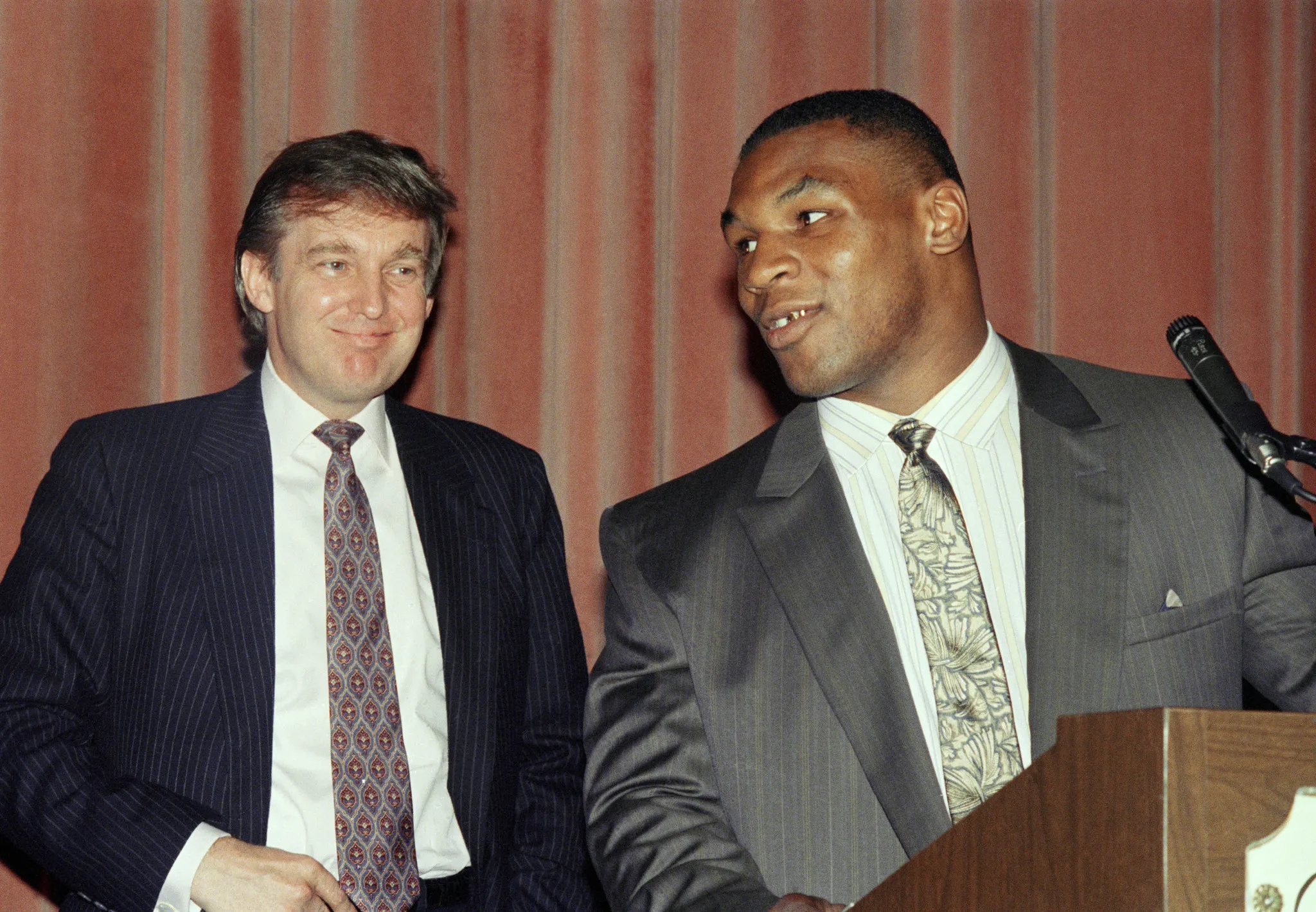
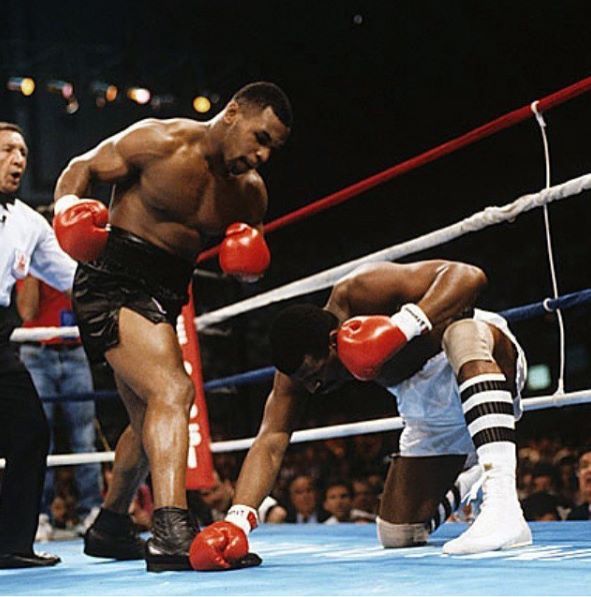
This bout would be held at Trump Plaza Hotel and Casino (owned by President Donald Trump) in Atlantic City, New Jersey. The ringside seats were filled with a who’s who from all sectors of the world, including Jack Nicholson, Warren Beatty, Oprah Winfrey, Madonna, Sylvester Stallone, Arnold Schwarzenegger, Frank Sinatra, Herschel Walker, Magic Johnson, and Muhammad Ali. At the time, this fight became the highest-grossing ever, bringing in around $ 70 million. As with Tyson, the hoopla and pre-fight spectacle and walk would last longer than the actual bout, as he would dismantle Michael Spinks with two knockdowns in 90 seconds, cementing his place as “The Baddest Man On The Planet.”
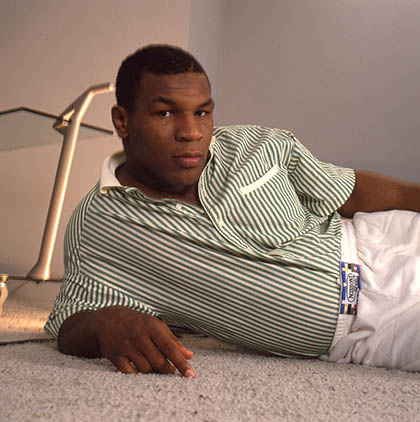
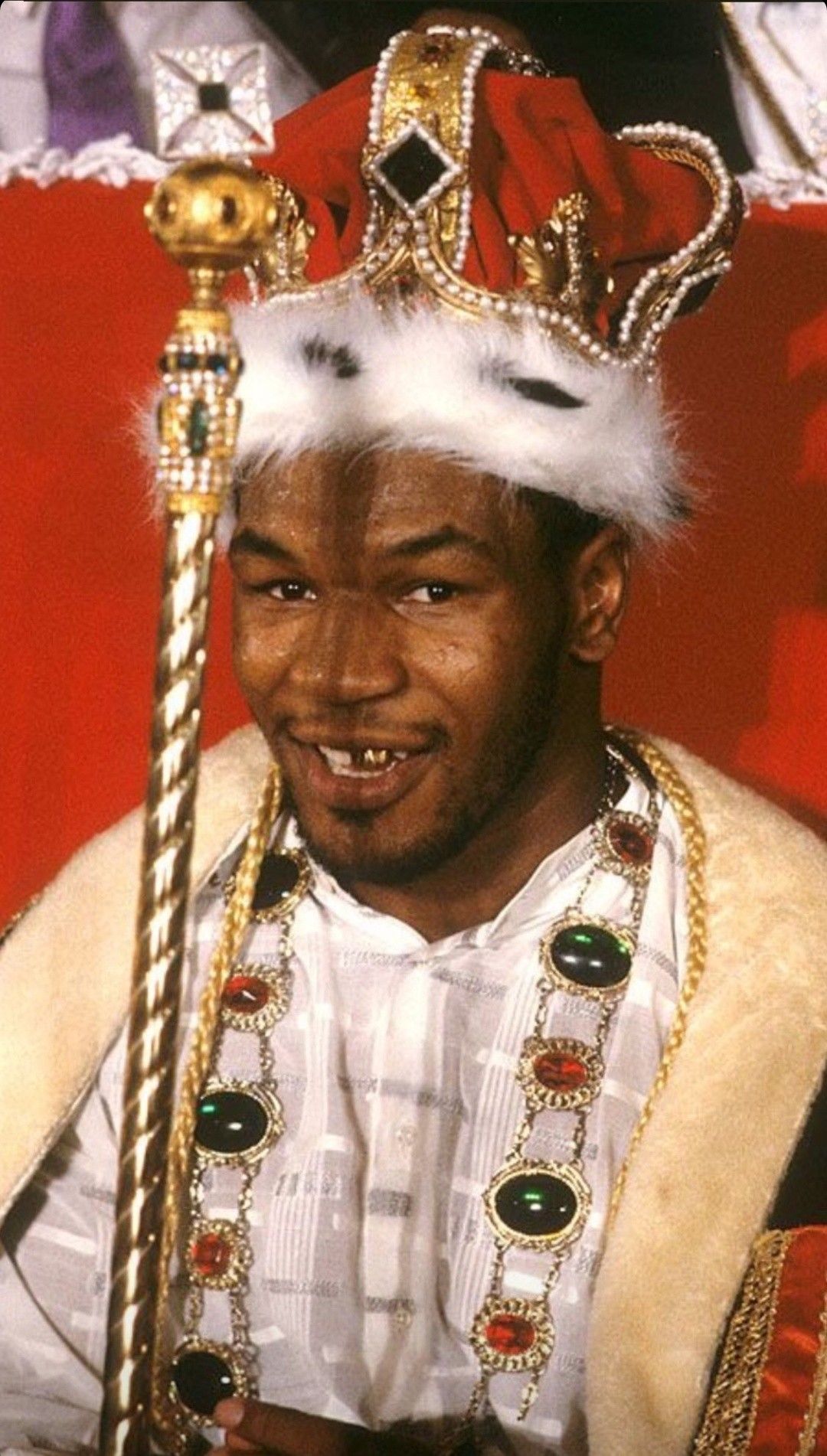
Mike Tyson 1988
The Legacies
The extraordinary accomplishments, the unintentional contributions to pop culture, and the everlasting memories created by Tyson, Jordan, and Jackson in 1988 propelled the legacies of each of these men to mythical status. To have been a person who witnessed these three kings in real time in 1988, the words penned can’t fully capture the greatness displayed by their talents or the aura carried by each man in their daily walk. The three “Mikes” were must-watch TV in a time when the internet and social media did not exist to fully capture their every move. Each game, each boxing match, and each concert was an event that stopped time and required you to purchase a ticket or sit down in front of a television to witness history, history that is still talked about 38 years later as if it happened yesterday. The legacies created have served as a foundation for chasing success and as a measuring stick for those who came after these men.