
The Electrician Shortage: A Crisis in America’s Infrastructure
ESHE Magazine
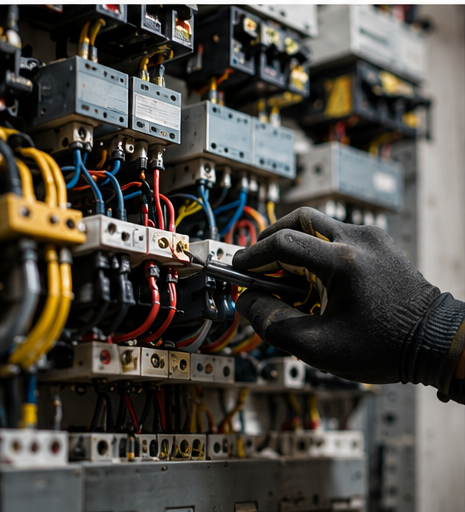
As the backbone of modern infrastructure, electricians play a crucial role in the functioning of our homes, businesses, and technological advancements. Yet, the United States is currently grappling with a pronounced shortage of qualified electricians, an alarming gap that threatens to undermine the stability of the construction and business markets.
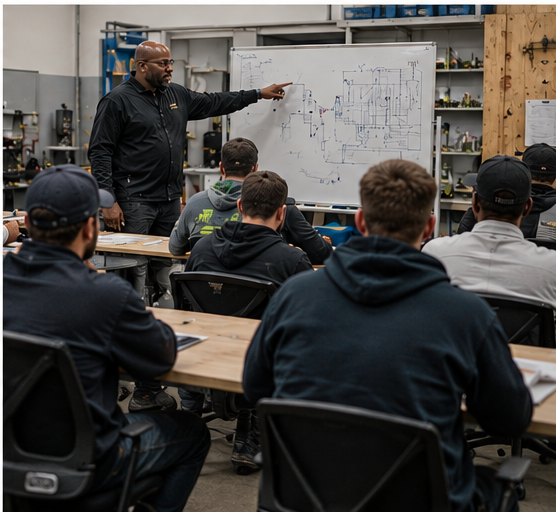
The Decline of Vocational Training: One of the primary reasons for this shortage is the decline of vocational training programs. Over the past few decades, many schools have phased out the technical training once offered to aspiring electricians. This shift has left students, especially those uninterested in pursuing a traditional four-year college degree, without viable career paths. Career counselors have often guided these students toward higher education, regardless of whether it aligns with their financial or professional goals. The Association for Career and Technical Education highlights this issue starkly: vocational enrollment in high schools dropped by nearly 30% from 1990 to 2010. As a result, the pipeline for new electricians, heavily reliant on younger individuals entering apprenticeship programs straight out of secondary education, is critically disrupted.
The Compounding Shortage
The urgency of the electrician shortage is escalating, according to the Bureau of Labor Statistics. With an aging workforce and rising demand from sectors like AI data centers and clean energy projects, the U.S. will need approximately 81,000 new electricians annually through 2034. This demand far surpasses the number of new trainees entering the field. Several key factors contribute to this crisis:
Retirement: Almost 30% of union electricians are nearing retirement age, resulting in approximately 20,000 professionals exiting the workforce each year.
AI Data Centers: The rise of hyperscale data centers, which require significant electrical power, has driven wages up, with many positions offering 25% to 30% above standard commercial rates.
Clean Energy Initiatives: Federal investments in renewable energy sources such as solar and wind, along with grid modernization efforts, are creating simultaneous demands for high-voltage electrical labor.
Apprenticeship Challenges: The path to becoming a qualified electrician typically involves a rigorous four-to-five-year apprenticeship. Unfortunately, this system cannot quickly adapt to meet sudden market demands. For many young people facing student loan pressures, the delayed earnings associated with apprenticeships are often too burdensome compared to immediate job opportunities in other sectors.

The Ripple Effects on the Market
The ramifications of the electrician shortage are felt throughout the construction industry. Project delivery delays have become increasingly common, particularly regarding electrical work. When subcontractors struggle to assemble crews to meet deadlines, it instigates a chain reaction affecting commissioning, fit-out, and handover timelines. Reports from the Dodge Construction Network reveal that electrical subcontractor labor costs have risen faster than any other trade category in the past three years. Consequently, bid prices have skyrocketed, forcing project owners to contend with unexpected premiums in their original budgets.
A Call to Action for the Future
Despite the challenges, organizations such as the International Brotherhood of Electrical Workers (IBEW) have taken significant steps to mitigate the electrician shortage. Since 2020, IBEW has increased its apprenticeship capacity, with joint apprenticeship training committees across the country seeing higher enrollment rates. However, these initiatives will require ongoing support and expansion to cultivate a new generation of electricians. In response to the increasing demand for skilled labor, many major tech firms are stepping in, investing millions into trade partnerships and organizations like the Electrical Training Alliance. This proactive approach aims to accelerate the growth of new electricians, ensuring that the construction industry can meet future needs.
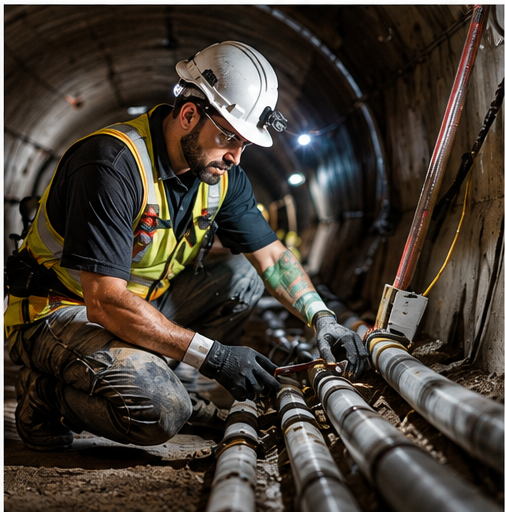
The electrician shortage is more than just a statistic; it’s a pressing challenge that demands immediate attention from educators, employers, and policymakers alike. Only through concerted efforts can we hope to bridge the gap and secure a stable future for America’s infrastructure and construction sectors. As we confront this crisis, it’s essential to recognize the pivotal role electricians play in shaping our collective future.


