
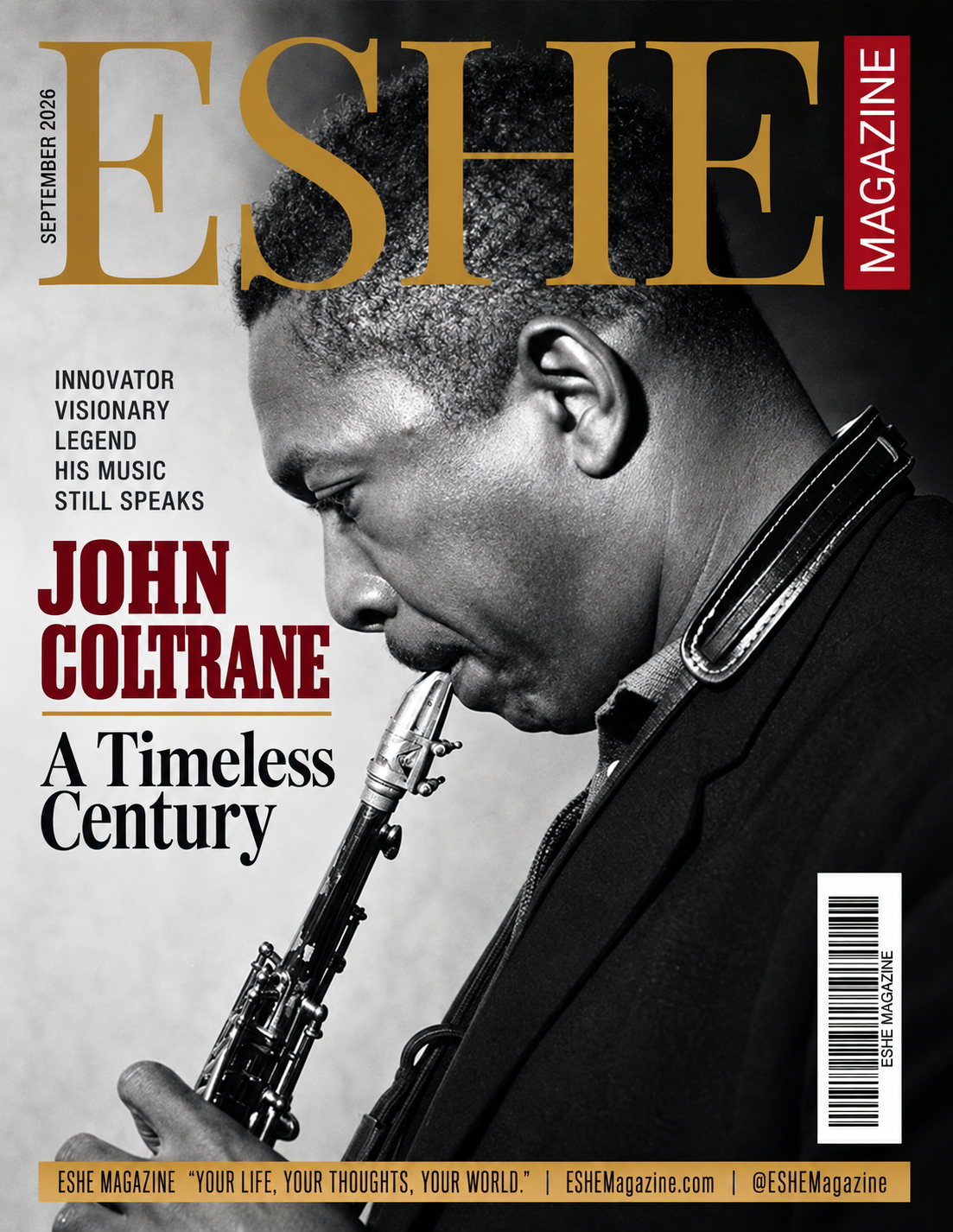
John Coltrane | A Timeless Century
Cover Photo By Bob Thiele
By David Jordan Jr
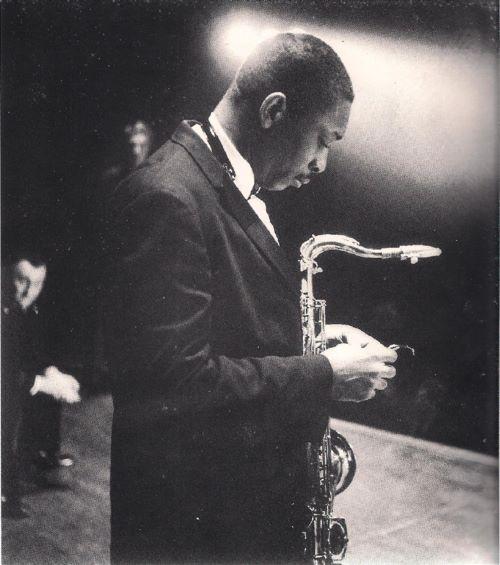
The greatness of John William Coltrane cannot be defined by one specific note, song or collaboration in the music studio. John Coltrane’s greatness lies in his global impact on music, his innovative vision for putting music together, and the countless people he has inspired and continues to inspire through the magic he created with his saxophone. Born in Hamlet, North Carolina, and moving to Philadelphia, Pennsylvania after his high school graduation, a music career that he scratched the surface of began to become defined after his mother bought him a saxophone for his 17th birthday. One of Coltrane’s first inspirations was seeing saxophonist Charlie Parker (also known as “Bird”) play in June of 1945. Parker’s performance left an indelible mark on him before Coltrane’s service in the Navy. By the late 1940s, Coltrane occasionally shared the stage with Parker and contributed to ensembles led by notable figures such as Dizzy Gillespie, Earl Bostic, and Johnny Hodges throughout the early to mid-1950s.
Becoming Trane
By 1955, John Coltrane was standing at the threshold of a transformation. While freelancing in Philadelphia and continuing to sharpen his musical instincts under the guidance of respected teacher Dennis Sandole, Coltrane received an invitation that would dramatically alter the course of his life; Miles Davis wanted him in his band. Joining Davis placed Coltrane at the center of one of the most important ensembles of the era. Alongside pianist Red Garland, bassist Paul Chambers, and drummer Philly Joe Jones, Coltrane became the tenor saxophone voice of what would become known as Miles Davis’s legendary “First Great Quintet.” From October 1955 through April 1957, the group performed and recorded extensively, giving Coltrane an invaluable arena in which to develop his increasingly powerful and distinctive sound.
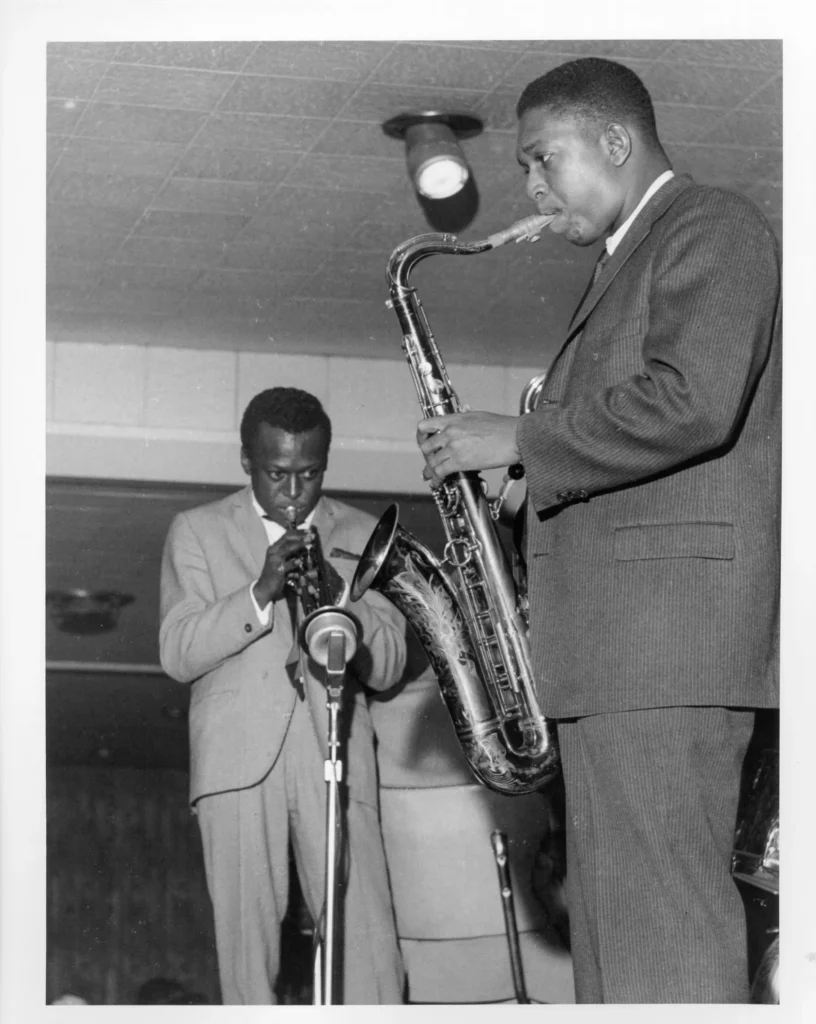
His playing was evolving rapidly, becoming more adventurous, harmonically complex, and unmistakably his own. Coltrane’s journey was not without turmoil. His struggles with addiction threatened both his career and his life. In 1957, he underwent a spiritual transformation, overcoming his dependency on drugs and alcohol and beginning a period of intense spiritual and musical renewal.
Coltrane Meets Monk
From July through December 1957, Coltrane performed with the genius pianist Thelonious Monk at New York City’s legendary Five Spot Café. Their musical partnership became one of the defining experiences of Coltrane’s development. Monk’s complex compositions and unconventional harmonic language challenged Coltrane to explore possibilities beyond the traditional boundaries of jazz. Night after night at the Five Spot, Coltrane stretched his improvisations further, experimenting with increasingly intricate patterns of notes and searching for new ways to express himself through the tenor saxophone.
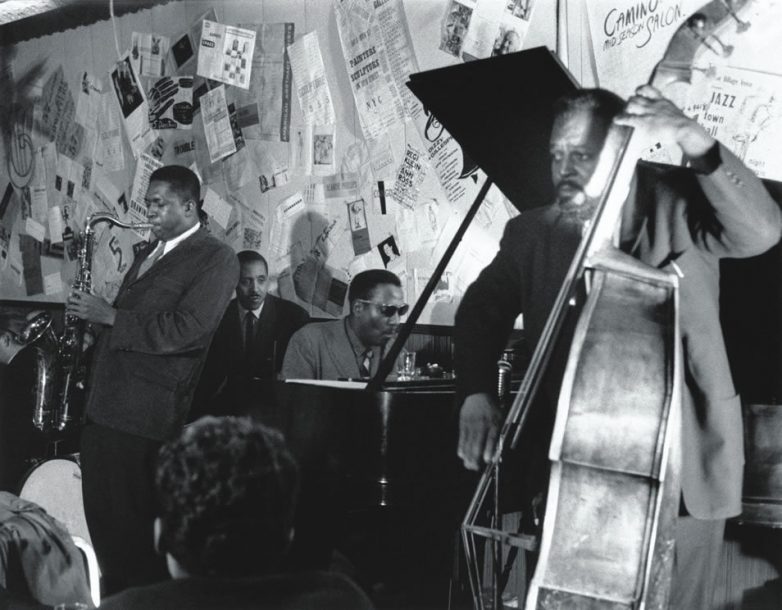
Coltrane was no longer simply becoming an exceptional saxophonist. He was beginning to discover the musical language that would eventually make him one of the most influential artists of the twentieth century.
Back with Miles
In December 1957, Coltrane returned to Miles Davis. This time, he was a different musician. A spiritual intervention with God led to John Coltrane’s reinvention. Remaining with Davis until April 1960, Coltrane entered another extraordinary period of artistic growth. The evolving Davis ensemble brought him together with alto saxophonist Cannonball Adderley and distinguished pianists including Red Garland, Bill Evans, and Wynton Kelly, supported by some of the finest rhythm-section musicians in jazz. The combination created an environment in which Coltrane could continue pushing beyond conventional harmonic structures while developing the intensity, speed, and emotional depth that increasingly characterized his playing.
Kind of Blue
Miles Davis assembled an extraordinary group of musicians for a recording that would become one of the defining works in the history of jazz. The album that changed musical history was titled “Kind of Blue.” Rather than relying primarily on the rapidly changing chord progressions common to bebop and hard bop, Davis increasingly explored modal frameworks, giving the musicians more space to develop melodic ideas and improvise with remarkable freedom. Coltrane’s tenor saxophone became one of the album’s essential voices. His performances captured a musician in transition: deeply rooted in the jazz tradition yet already reaching toward something beyond it. His commanding tone and searching improvisations offered glimpses of the revolutionary artist who would soon emerge as a bandleader in his own right.
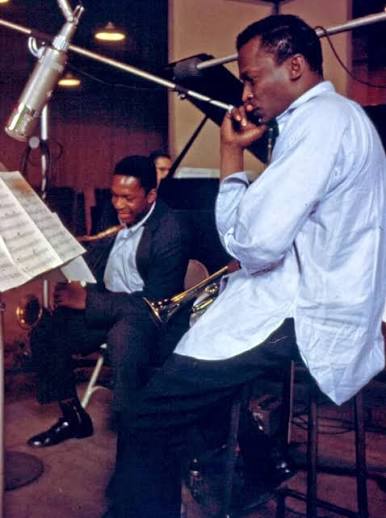
Released in 1959, Kind of Blue became a landmark recording whose influence would extend far beyond its era. For Coltrane, however, it represented both an achievement and a doorway. By the time he left Miles Davis in April 1960, the years of apprenticeship were coming to an end. The lessons of Miles Davis, Thelonious Monk, and countless nights on bandstands had helped develop a musician with an increasingly singular vision.
Innovator
John Coltrane did more than master the language of jazz. He expanded its vocabulary. His influence on modern jazz can be heard in the advanced harmonic concepts, modal exploration, improvisational freedom, and innovative saxophone techniques that became central to his music. Throughout his career, Coltrane continually searched for new ways to move beyond established musical boundaries, leaving behind ideas that generations of musicians would study, interpret, and build upon.
Among his most celebrated innovations are the harmonic progressions commonly known as “Coltrane Changes.” Most famously associated with his 1960 album Giant Steps, these demanding chord sequences move rapidly through different tonal centers, often using relationships based on major thirds. The resulting harmonic structure challenged improvisers to navigate chord changes at extraordinary speed while maintaining melodic coherence. Giant Steps became more than a landmark recording. Its title composition emerged as a formidable test of harmonic understanding and improvisational ability for generations of jazz musicians.
“Sheets of Sound”
Coltrane’s technical development was equally remarkable. During the late 1950s, jazz critic Ira Gitler famously described Coltrane’s intensely concentrated improvisational approach as “sheets of sound.” The phrase captured the effect of his rapid runs, cascading patterns, arpeggios, and overlapping harmonic ideas. Rather than simply playing a sequence of individual notes, Coltrane could create the impression of entire layers of harmony pouring from his tenor saxophone. The sound was purely his, groundbreaking and mesmerizing.
The Freedom of Modal Jazz
During his years with Miles Davis, Coltrane participated in one of jazz music’s most important transformations: the growing exploration of modal jazz. Instead of relying exclusively on rapidly changing chord progressions, modal approaches allowed musicians to improvise for longer periods around scales and tonal centers. The additional space opened new possibilities for melodic development and individual expression. Miles Davis’s landmark Kind of Blue provided one of the most influential demonstrations of this approach, and Coltrane’s performances on the album revealed how effectively he could use that freedom. Complexity and simplicity had now become two different paths toward the same destination, which was greater musical expression.
The Soprano Saxophone
His recording of “My Favorite Things” transformed the familiar Rodgers and Hammerstein composition into an extended modal exploration. Coltrane’s hypnotic soprano saxophone lines moved above the rhythm section with an almost incantatory quality. The performance became one of his signature recordings and helped inspire renewed interest in the soprano saxophone among subsequent generations of jazz musicians.
Horns Talk
As Coltrane’s musical vision expanded, so did his approach to the saxophone itself. He increasingly explored the instrument’s extreme registers and unconventional sounds, using techniques such as overblowing, harmonics, multiphonics, and extended tonal effects. At times, the saxophone seemed less like a conventional horn and more like an extension of the human voice; crying, shouting, whispering, and reaching toward sounds that traditional technique alone could not provide. These experiments grew more prominent in the final years of his life. Recordings such as Ascension and Interstellar Space moved deeply into the emerging avant-garde, embracing dissonance, rhythmic freedom, intense interaction, and forms of improvisation far removed from the structured jazz ensembles with which Coltrane had begun his career.
GOD
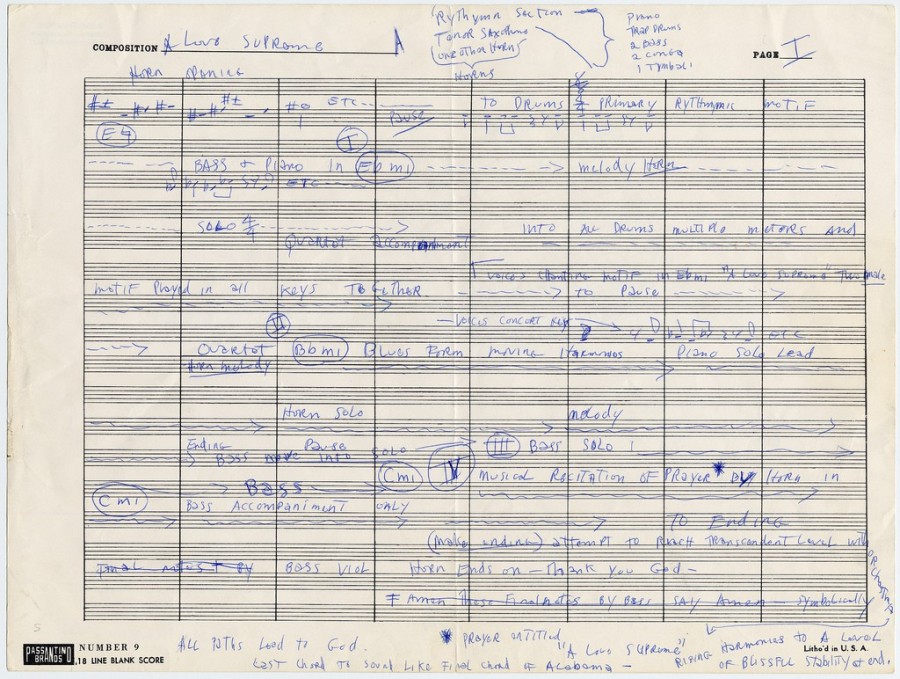
As his music evolved, composition increasingly became a vehicle for meditation, gratitude, devotion, and the search for something beyond himself. Rather than viewing an album merely as a collection of individual songs, Coltrane demonstrated how an entire recording could function as a unified artistic and spiritual statement. The defining masterpiece of his career would be “A Love Supreme.” Recorded in December 1964 and released in 1965, the four-part suite “Acknowledgment,” “Resolution,” “Pursuance,” and “Psalm” represented one of the clearest expressions of Coltrane’s spiritual awakening. The music was deeply personal and represented his faith. It was an expression of life, love, faith, perseverance, and the power of God.
At this point in his life, John Coltrane was no longer merely expanding the possibilities of jazz; e was using jazz to search for something larger. From the harmonic architecture of Giant Steps to the modal freedom of My Favorite Things, from the intensity of Ascension to the spiritual declaration of A Love Supreme, Coltrane continually challenged the boundaries of what jazz could communicate. His innovations became part of the language. His sound became unmistakable.
The Heart Of Trane
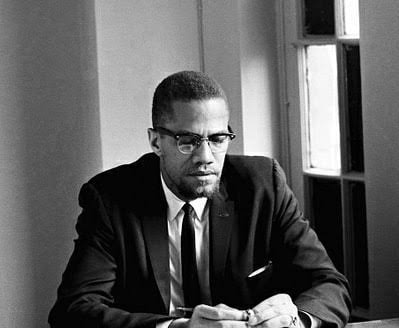
As an artist and musician in the United States of America in the 1950s and 1960s, Coltrane witnessed firsthand the impact of Jim Crow laws and racism on black people in the country. As his music inspired people worldwide, he spoke about Malcolm X’s brilliance and how music represents the heart. In an interview in November 1966 with Frank Kofsky, when asked about Malcolm X, Coltrane stated, “I was living downtown, I was in the hotel, and I saw the posters and realized he was going to be over there. So I just said, ‘Well, I’m going over there and see this cat because I’d never seen him.’ I was quite impressed.”
On September 15, 1963, the 16th Street Baptist Church in Birmingham, Alabama, was bombed by the Ku Klux Klan. Four young Black girls were killed in the ensuing explosion: 14-year-olds Addie Mae Collins, Denise McNair, and Carole Robertson; and 11-year-old Cynthia Wesley.
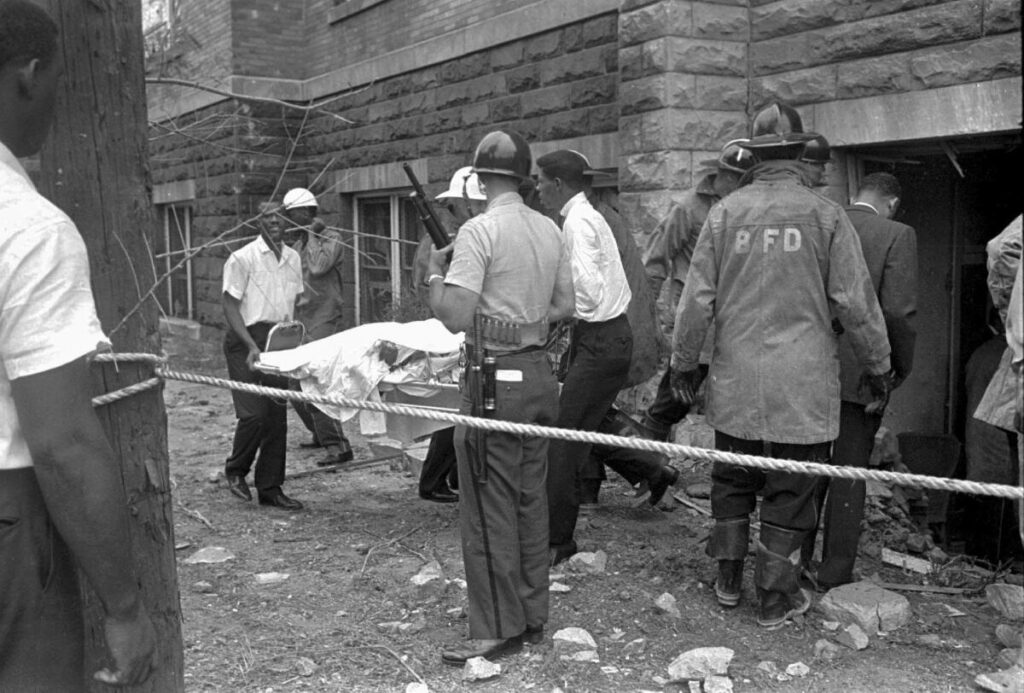
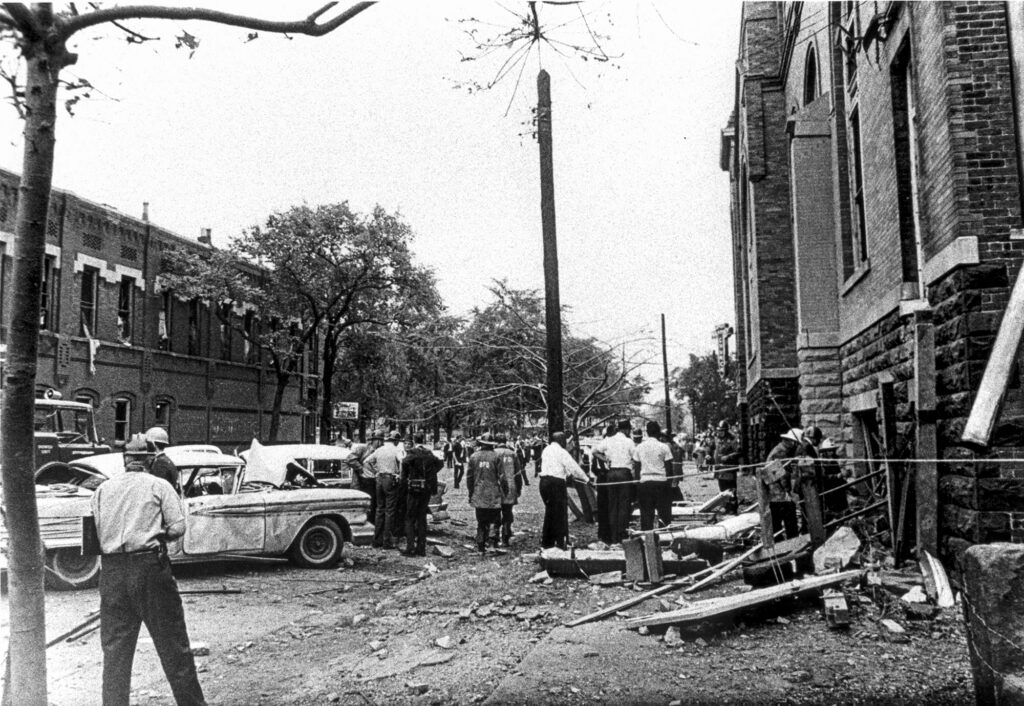
Deeply touched by the tragic death of the little girls, Coltrane was moved to honor their lives with his horn and his group. On November 18, 1963, two months after the funeral, Coltrane brought his quartet to the studio to record a song titled “Alabama,”. “Alabama” would be on the album “Live at Birdland” released on January 9, 1964.
WATCH ALABAMA LIVE HERE: On December 7, 1963, Coltrane performed Alabama on the television program Jazz Casual
Legacy
Coltrane is much more than the music he created alongside jazz immortals. His impact as a musician changed the way jazz was played, heard, and created around the world. His innovative approaches to improvisation and free playing helped usher in a new era of jazz, producing timeless masterpieces that have become part of the soundtracks of people’s lives across generations and around the globe. At the heart of Coltrane’s musical journey was a profound connection to God. The vision he believed God gave him to create and perform music deepened the spiritual dimension of his work. Where listeners may have once only sensed spirituality within music, Coltrane’s inspired and deeply expressive playing seemed to confirm its presence. His music became more than sound, it became exploration, meditation, prayer, and a search for something greater. That remarkable musical and spiritual legacy continued through his family. His second wife, Alice Coltrane, became an extraordinary artist and innovator in her own right. She expanded the possibilities of jazz while continuing its spiritual exploration, notably incorporating the harp into her compositions and performances.
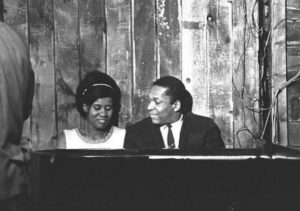
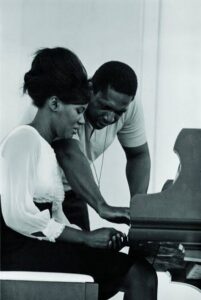
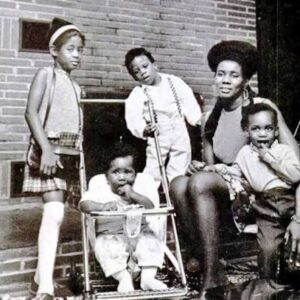
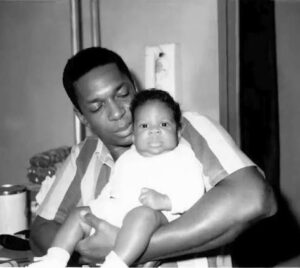
John Coltrane Jr., the eldest son of John and Alice Coltrane, pursued music as a bassist. His life and career were tragically cut short when he died in an automobile accident in 1982 at only 17 years old. Though he never had the opportunity to fully develop the musical career that lay before him, his interest in music represented another branch of the creativity that surrounded the Coltrane household. Ravi Coltrane went on to establish a career as a saxophonist, composer, bandleader, and recording artist. Ravi manufactured his own sound with the DNA of two of the greatest jazz musicians to have ever lived, his mother and father, which has led to him being nominated for two Grammy Awards. Oranyan Coltrane, the youngest of the brothers, is a DJ and producer. As a musician, he plays bass guitar, saxophone, and guitar, and he is a vocalist, arranger, producer, and composer. Like his father, he has a limitless pursuit in his definition of music. Daughter Michelle Coltrane has carved out her own niche as an accomplished jazz vocalist and composer. Her journey began in Japan, where she not only thrived as a DJ but also honed her skills by performing and arranging background vocals. Michelle has collaborated with many musicians and performed with the McCoy Tyner Trio. Beyond her musical work, Michelle plays a pivotal role in preserving the Coltrane family’s rich legacy as Chief Creative Officer of the John and Alice Coltrane Home.
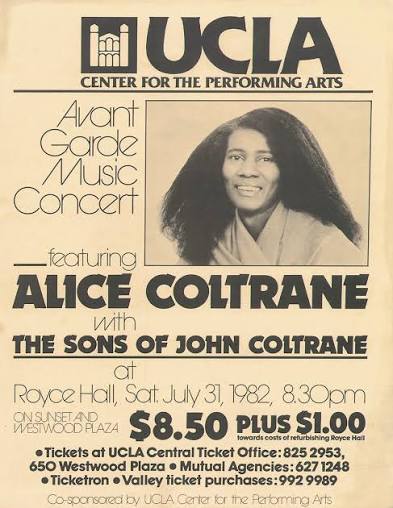

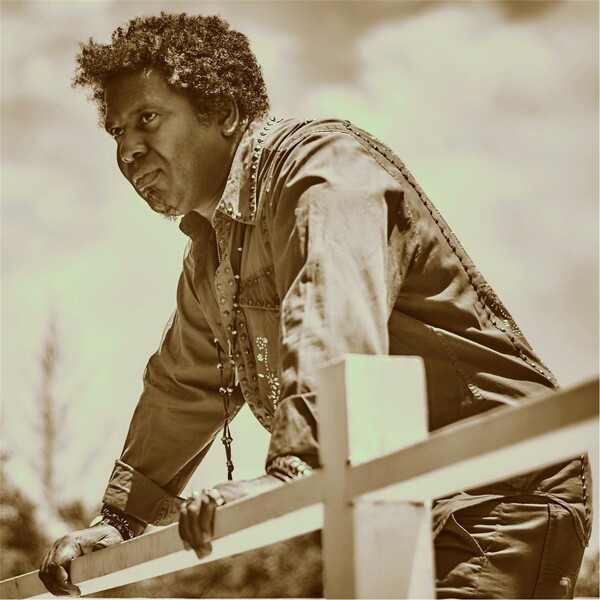
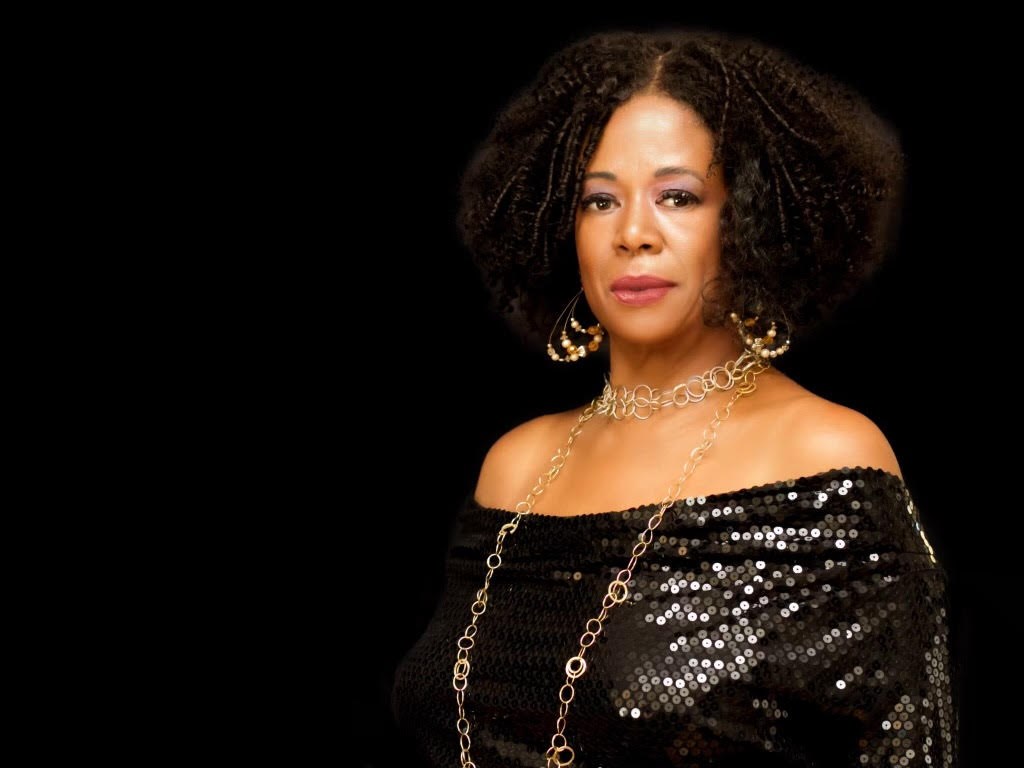
From John Jr.’s beginnings as a bassist, to Ravi’s work as a saxophonist and composer, to Oranyan’s exploration of music through DJing and production, to Michelle’s career as a DJ, jazz vocalist and composer, the Coltrane name continues to shape the world of music. Their individual journeys, alongside the extraordinary work of their mother, Alice Coltrane, transformed the Coltrane story from the legacy of one musical genius into an iconic family forever etched in the world of music and art. As we celebrate what would have been the 100th birthday of John William Coltrane, let us embrace September 23, with love.

You May Also Like

A Conversation With Licensed Professional Clinical Counselor Michael Walker

Maggie B. Walker, Talks About Her “Dear Dreamer” Affirmation Cards Collection And The Launch Of MagMotivates Creative Company

